

Decision intelligence
How decisions get made.
We build working models of complex, asset-heavy operations.


The problem
In these operations, high‑stakes decisions don't get a trial run.
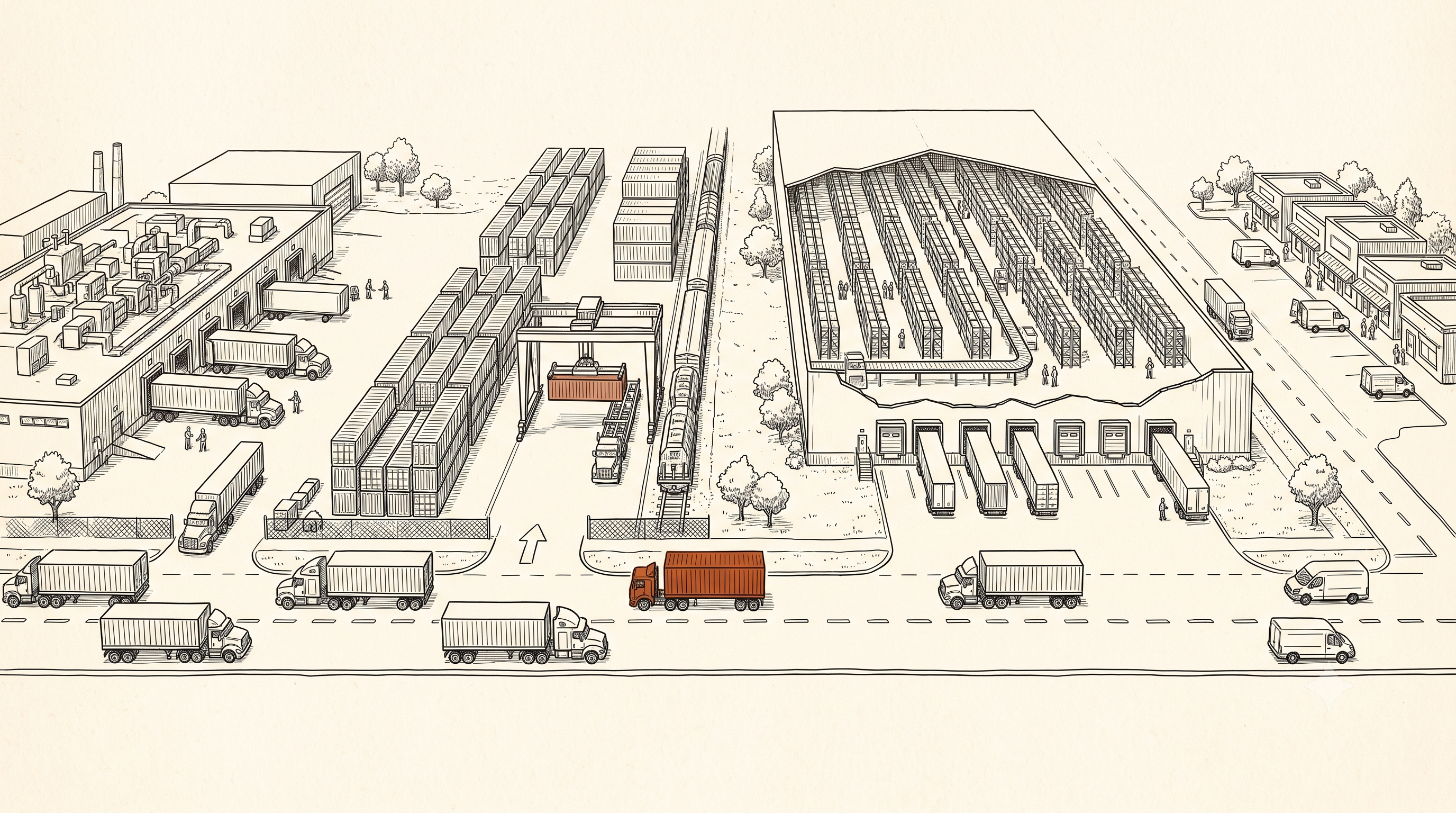
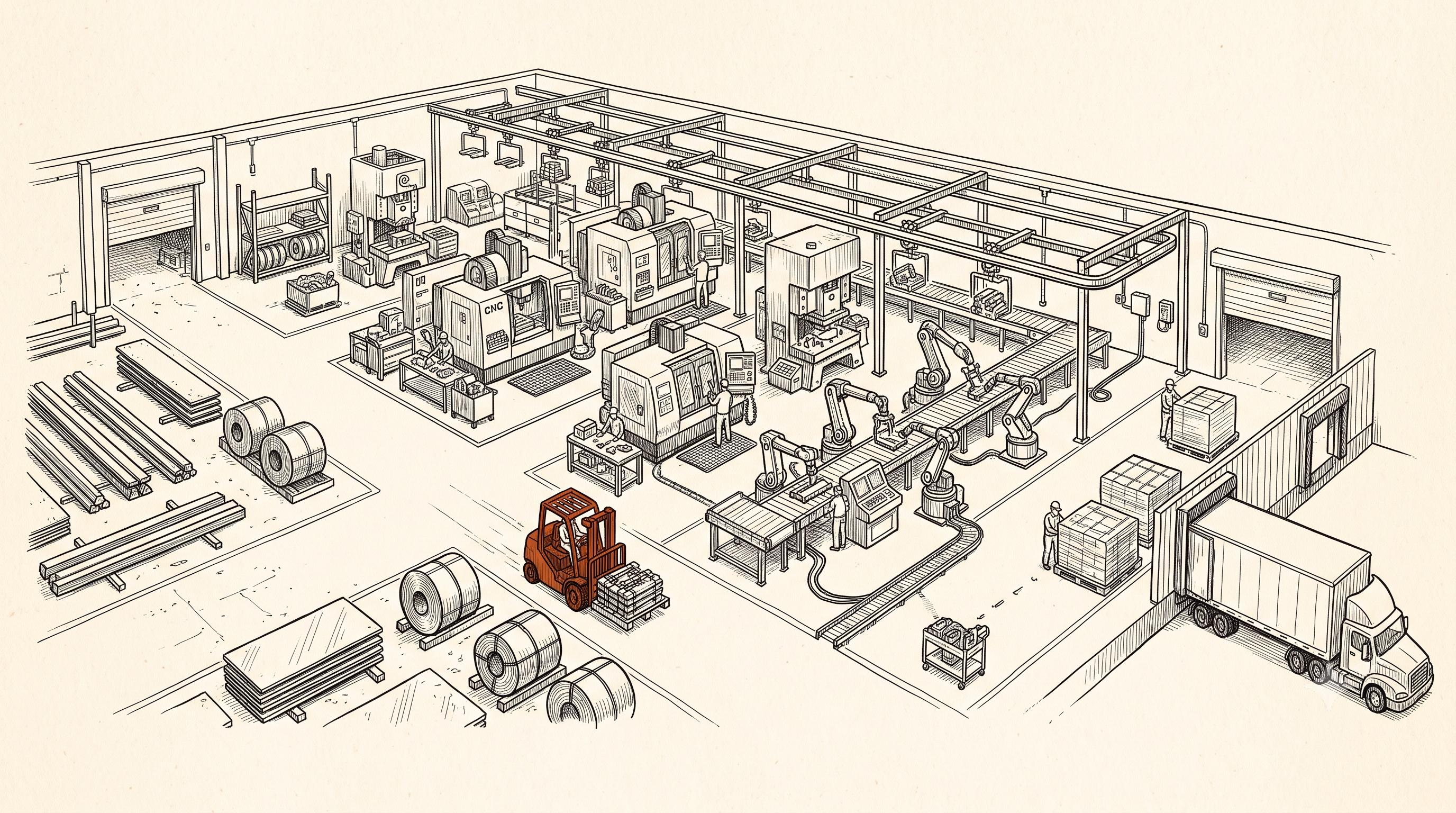
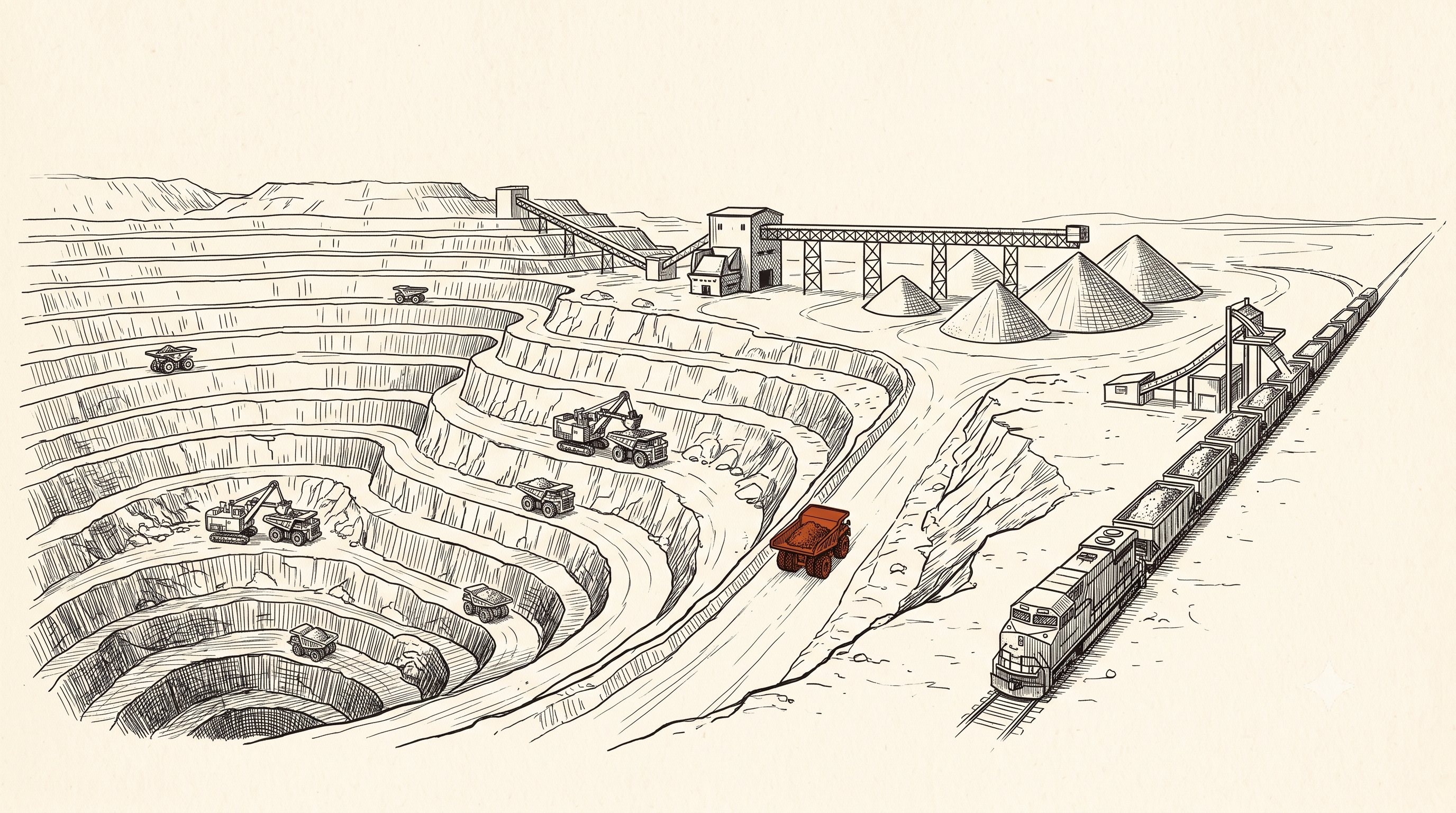
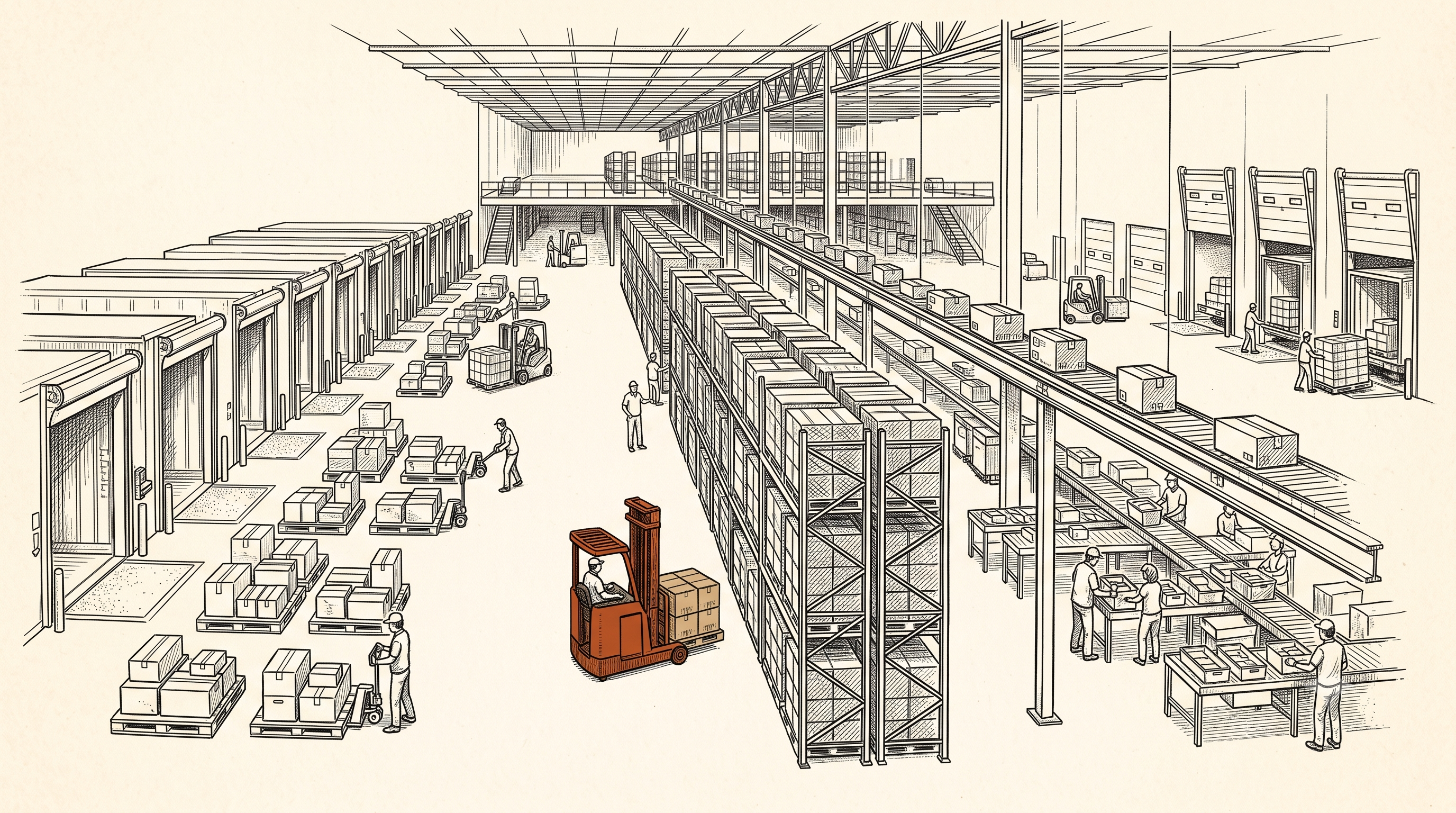
Pick your industry
Capital & capacity
Do we build, buy, or expand, and how much capacity for the years ahead?
Network & footprint
Where should facilities sit, and how should material move between them?
Routing & dispatch
How should trucks, crews, and equipment get assigned as demand shifts day to day?
Throughput & bottlenecks
Where is the real constraint, and what relieves it before we spend on the wrong fix?
Staffing & scheduling
How many people, where, and when, to hit service levels without overspending?
Contingency & risk
What breaks when a site, supplier, or season goes wrong, and what’s the response?
Capital & capacity
Does the network need another distribution center, or better use of the ones we have?
Network & footprint
Where should inventory sit so orders ship on time without stocking it everywhere?
Routing & dispatch
Which lanes and modes should carry which flow when freight rates change?
Throughput & bottlenecks
Which node caps the network, and what happens when we lift it?
Staffing & scheduling
How much labor does each site need to get through peak?
Contingency & risk
What does the network do when a site, supplier, or season goes wrong?
Capital & capacity
Does the next line pay for itself, or does the current one still have room?
Network & footprint
Which plant should build which product, and what does that do to freight?
Routing & dispatch
How should orders be sequenced across cells when the mix changes?
Throughput & bottlenecks
Which operation sets the rate, and what raises it?
Staffing & scheduling
How many operators per shift, with what skills, to keep the schedule?
Contingency & risk
What can we still promise when a supplier or a machine goes down?
Capital & capacity
Do more trucks add tonnes, or add queue?
Network & footprint
Where should the crusher, stockpile, and load-out sit for the mine plan ahead?
Routing & dispatch
How should the fleet be dispatched as haul distances grow?
Throughput & bottlenecks
Is the constraint the shovel, the haul, the crusher, or the port?
Staffing & scheduling
How many crews and shifts does the ramp-up actually need?
Contingency & risk
What does a weather, rail, or equipment outage cost in shipped tonnes?
Capital & capacity
Does the automation case hold at the volumes we will actually see?
Network & footprint
How should the building be zoned and slotted for the order profile?
Routing & dispatch
How should picks and replenishment be routed across the floor?
Throughput & bottlenecks
What rate does the building really hold, not the rate on the spec sheet?
Staffing & scheduling
How many pickers, packers, and loaders by hour of the day?
Contingency & risk
What happens to outbound when a sorter or a dock goes down?
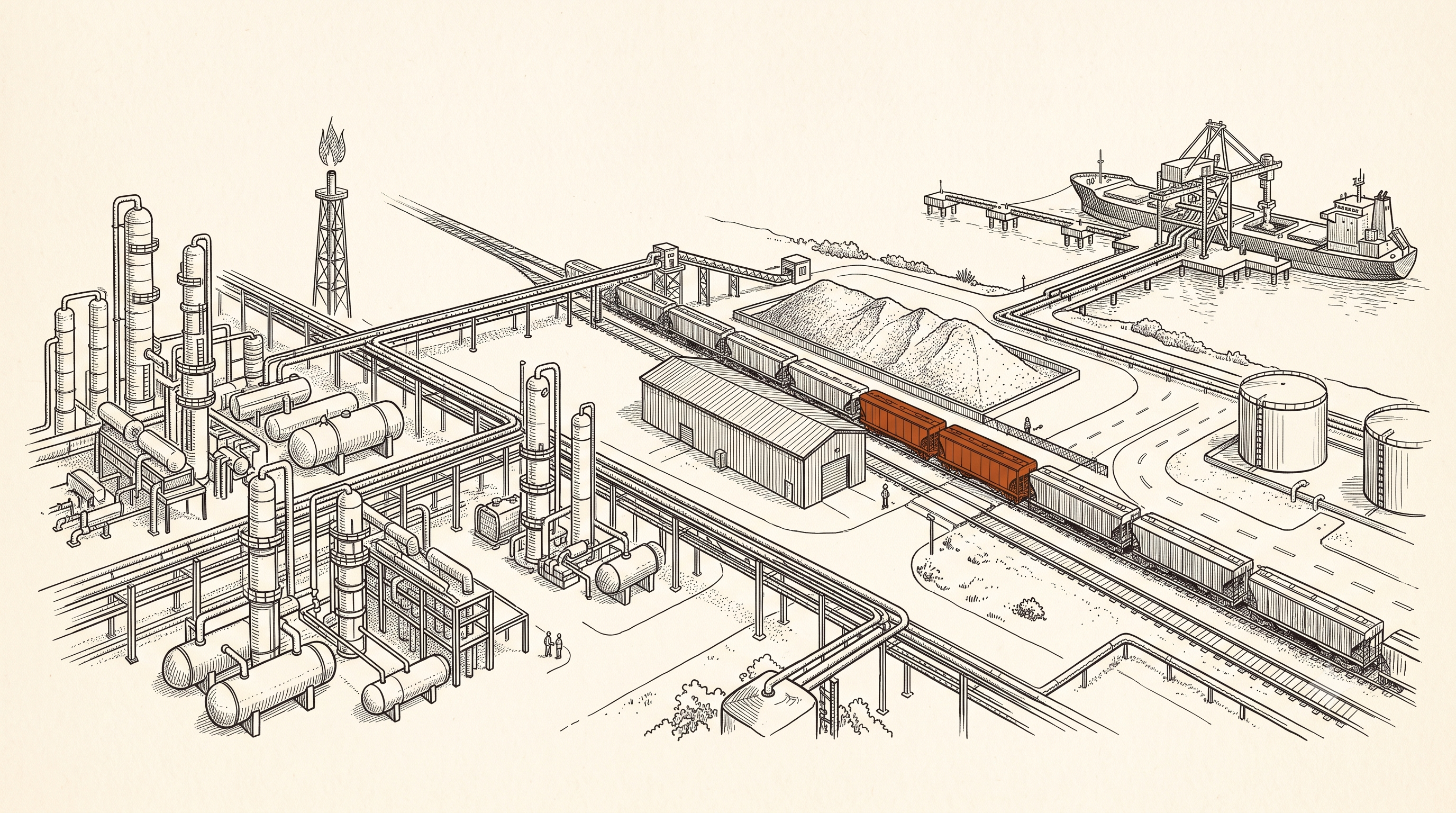
Capital & capacity
Does the upgrade add throughput once storage and berth are counted?
Network & footprint
How much storage, and where, between plant, rail, and marine?
Routing & dispatch
How should trains and vessels be scheduled against plant output?
Throughput & bottlenecks
Is the limit the plant, the tankage, the rail cycle, or the berth?
Staffing & scheduling
What crewing does the turnaround plan require to hold the window?
Contingency & risk
What does a rail delay or a weather day cost in deferred volume?
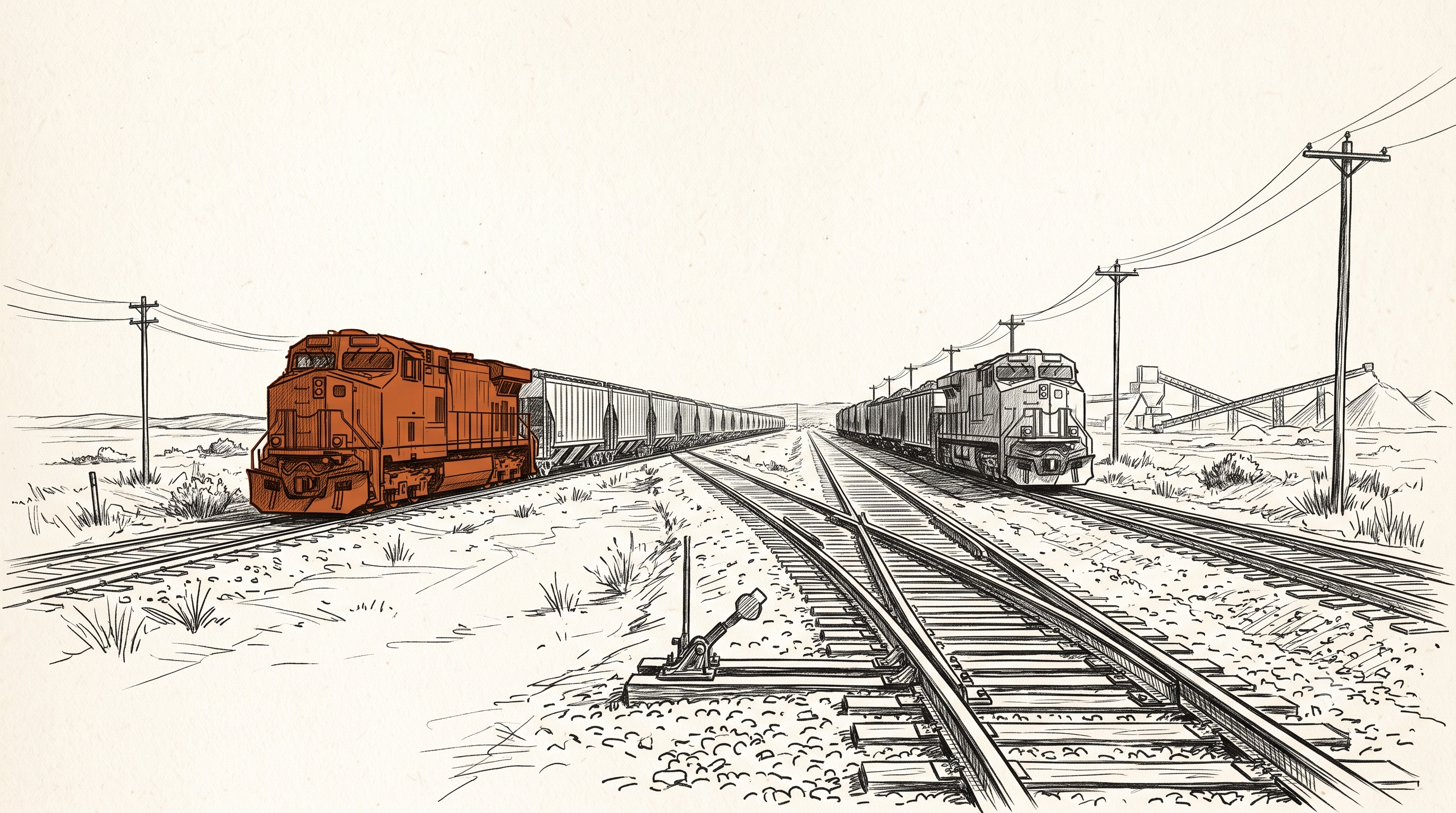
Capital & capacity
Is new track required, or is there capacity already on the line?
Network & footprint
Where do sidings, yards, and terminals need to sit for the traffic plan?
Routing & dispatch
How should departures, meets, and crews be planned each day?
Throughput & bottlenecks
Which segment or yard sets network fluidity?
Staffing & scheduling
How many crews and where, under hours-of-service rules?
Contingency & risk
What does a blockage or a maintenance window do to the plan?
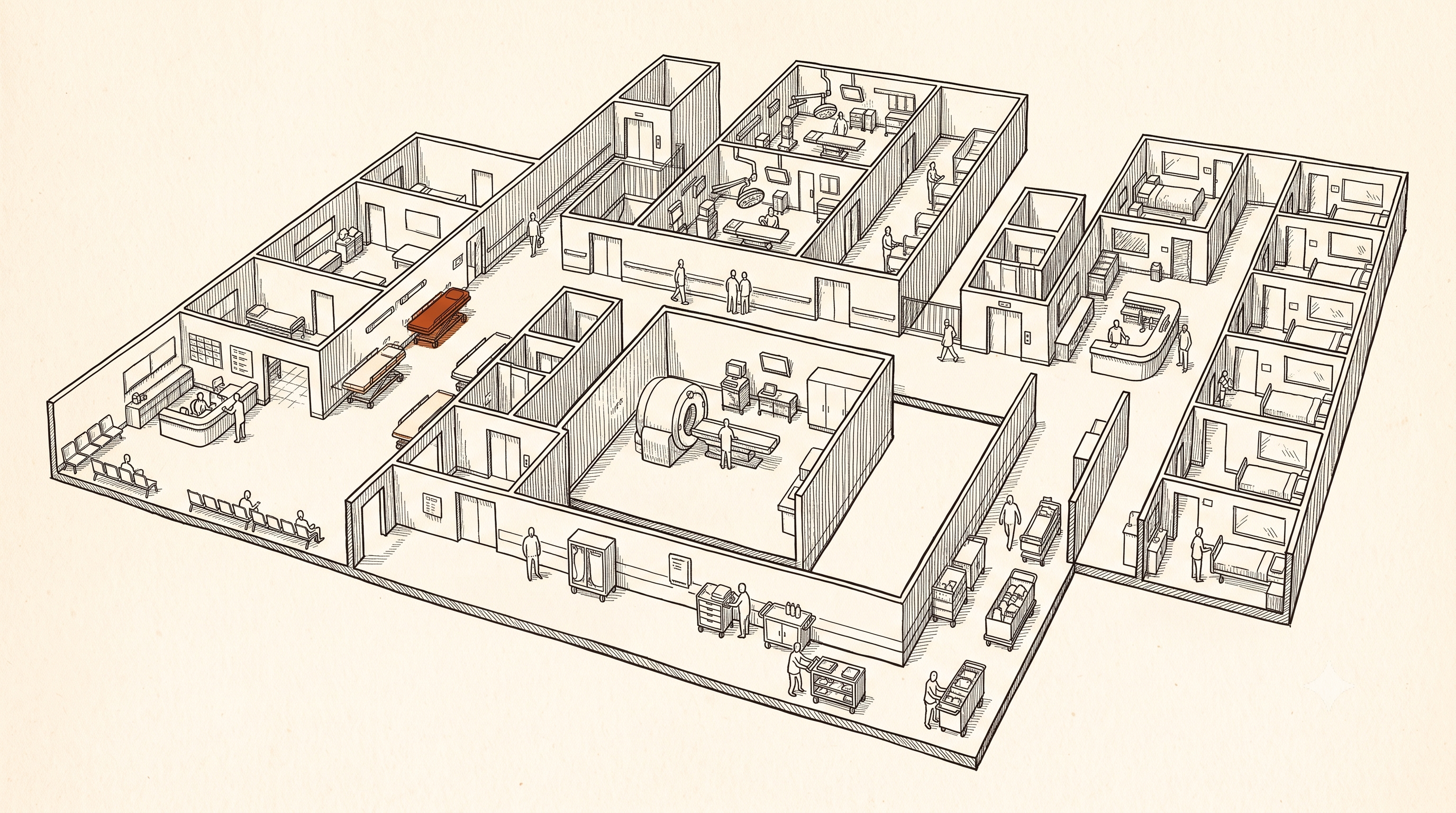
Capital & capacity
Do we need more beds, or faster discharge on the units we have?
Network & footprint
Where should services and capacity sit across the campus or region?
Routing & dispatch
How should patients be routed between units to keep flow moving?
Throughput & bottlenecks
Which step creates the wait, and what removes it?
Staffing & scheduling
What staffing mix per shift holds wait times at target?
Contingency & risk
What happens to flow in a surge, an outage, or a season?
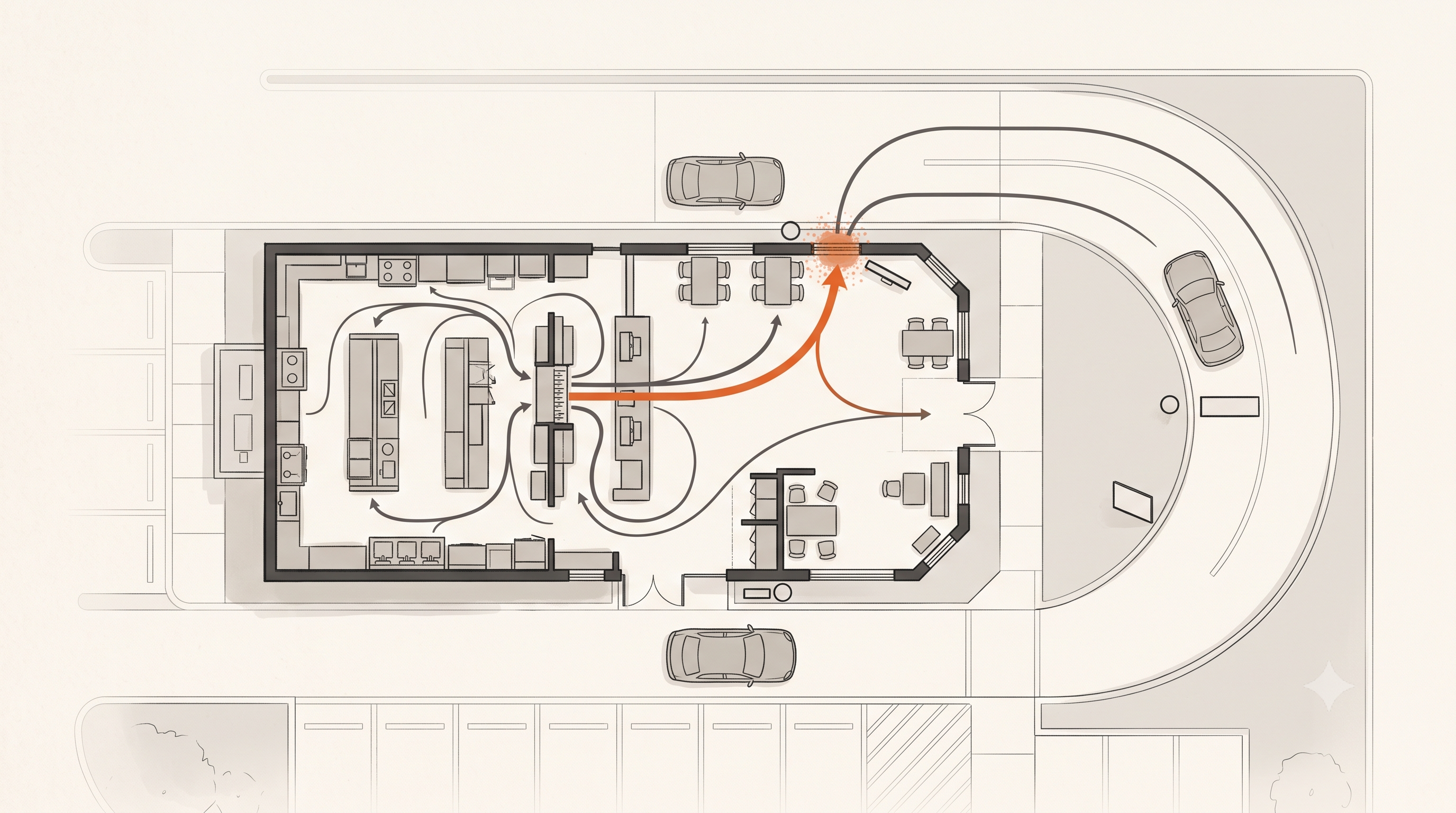
Capital & capacity
Does the second drive-thru lane or the new equipment return the capital?
Network & footprint
Where should the next locations sit without cannibalizing the last ones?
Routing & dispatch
How should orders be sequenced between drive-thru, digital, and counter?
Throughput & bottlenecks
Which station sets speed of service at peak?
Staffing & scheduling
How many crew, by daypart and role, to hold service without overspending?
Contingency & risk
What happens on the Friday rush when one station goes down?
Proof
Three decisions that got a trial run.
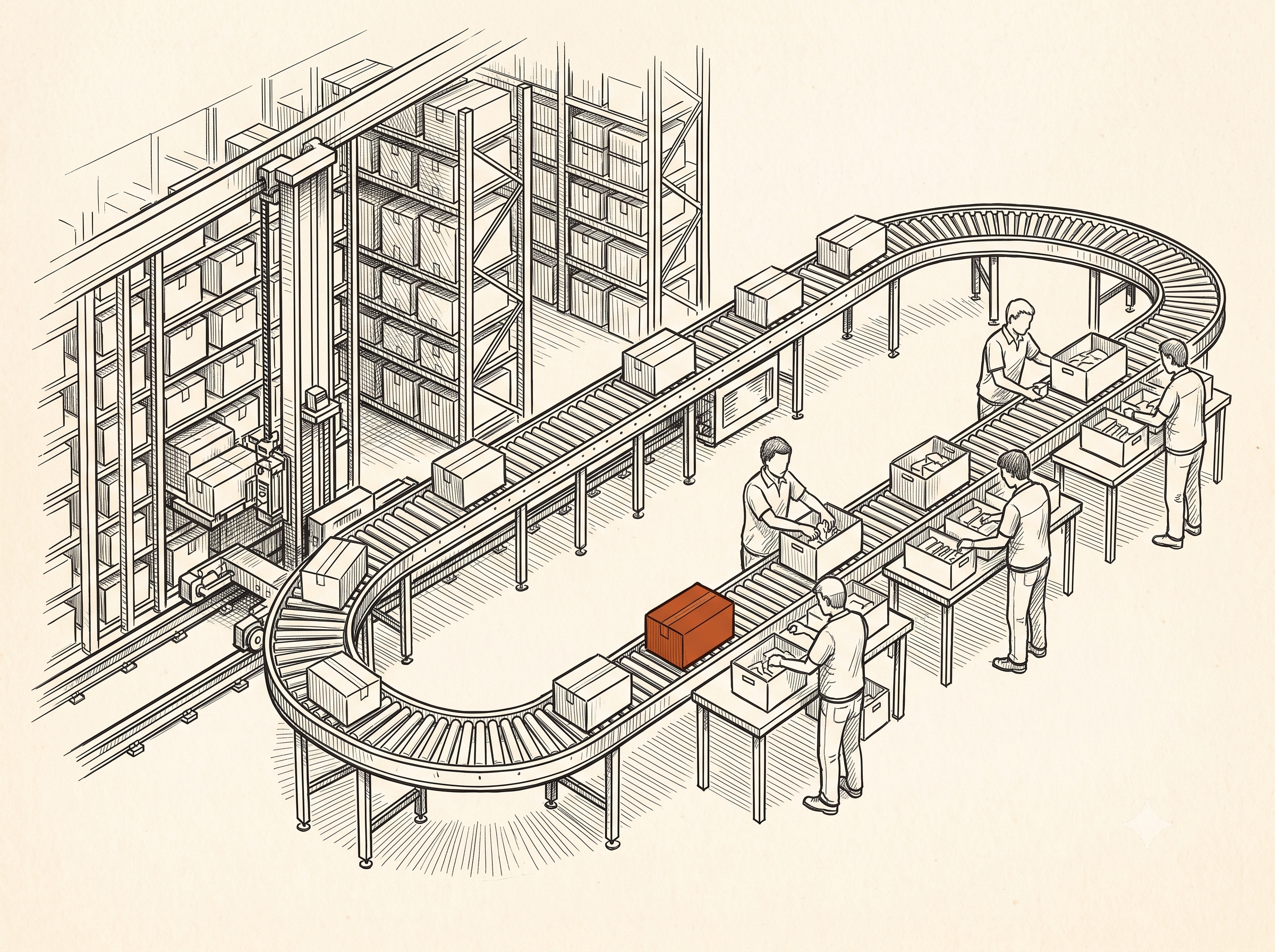
Can we take this order for next November?
The order book runs years out. The planning system generates requirements three months ahead. Past that, there's no way to see whether a new commitment fits with what's already scheduled, where the capacity conflicts show up, or which production cells absorb the pressure. The planners could feel when a plan was fragile. They couldn't show it.
Read the Case Study
Is the terminal the bottleneck?
Everything the plants produce leaves by rail, lands at one export terminal, and ships from there. Production was going up. At the terminal, storage was full, ships were waiting at berth, and cleanup was eating a quarter of availability. A terminal upgrade would run to hundreds of millions, and nobody could say whether it would be enough.
Read the Case Study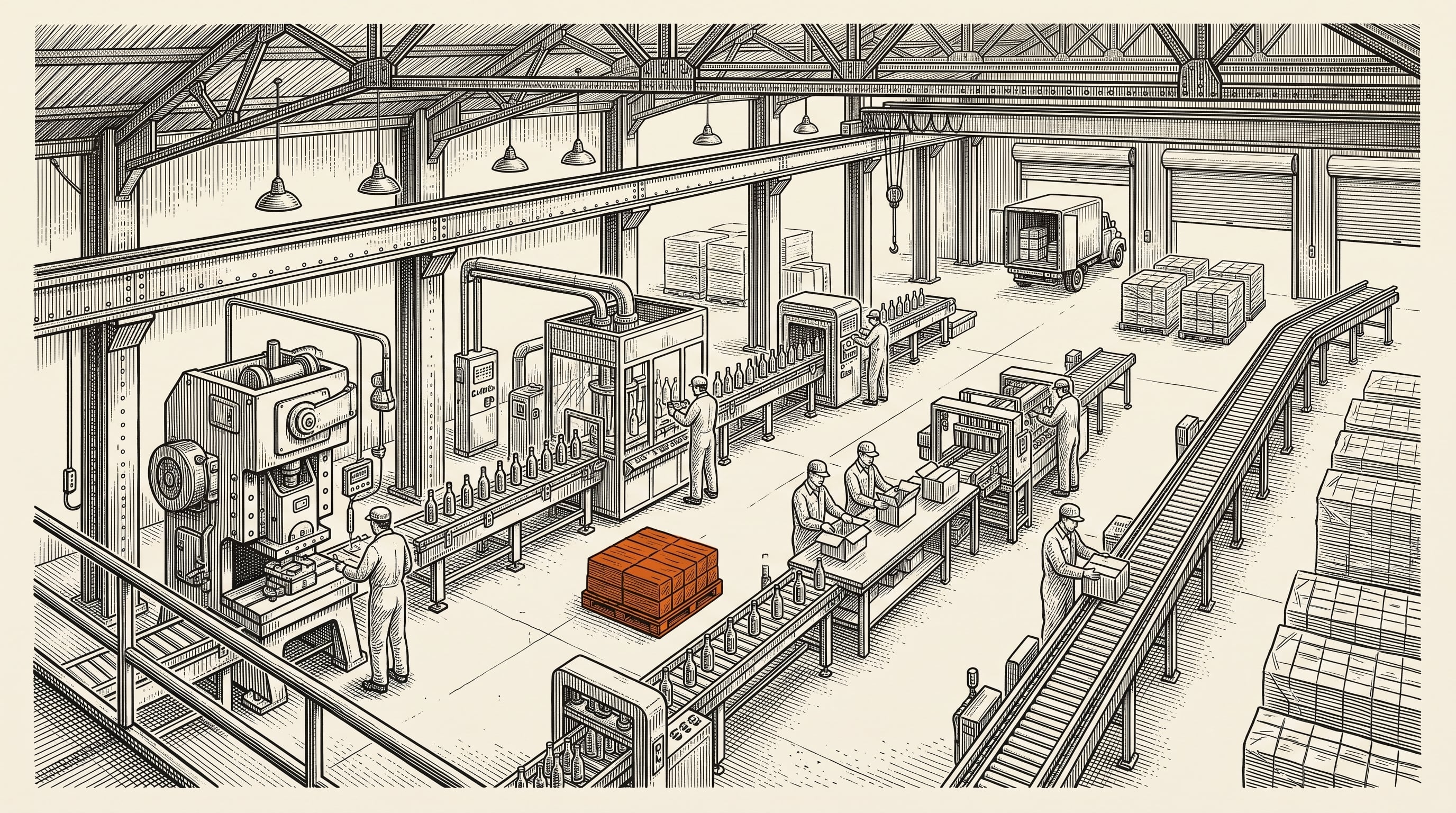
Which plant builds what next quarter?
Twelve-plus plants, dozens of lines, thousands of SKUs. Where each product runs is a choice, and the choice changes every quarter as capacity, customer mix, distribution lanes and sourcing shift. By the time one plan was set, the network it was built for had already changed. Each plant made do with the plan it was given, and nobody could say what that was costing across the network.
Read the Case StudyGetting started
How you'd work with us.
-
Decision Workshop
Two to three weeks, two days of it on your floor with the people who run it. We map how the work moves end to end, what has to be true at each step, and what it costs when it isn't. You leave with the problems ranked by impact and the first project scoped and priced.
-
Scoped Project
A working model of the part of the operation the decision depends on. We run the scenarios and deliver the answer, or your team runs them.
-
Managed Services
The model is built and in use. We keep it matched to the operation as it changes, run the scenarios your team brings us, and add the next decision when it's ready.
-
Licensing & Training
For teams building the capability themselves. We provide the software, the training, and someone to call when modeling gets hard.
Every decision has a window.
A building with an opening date, a capital request that has to be defended, growth that's already booked.
