It's how an organization sees how its operation will respond to a hard call, tests the options, and decides on evidence, the same way every time. The model is the core. The system makes the answer repeatable and puts it in your team's hands.
Five stages, from framing the call to making it. A different capability does the work at each one. When the decision returns, the system runs it again.
Name the call, the constraints that actually bind, and the operating reality that shapes the answer.
The operation built as it runs, on your own data, validated against how it actually behaves.
Run the scenarios, compare the tradeoffs, and stress the answer against the bad day, not the average one.
The room reasons from one picture, questioning the model in plain language until the disagreement settles.
Decide on evidence, with the alternatives, risks, and tradeoffs known. The call stays yours.
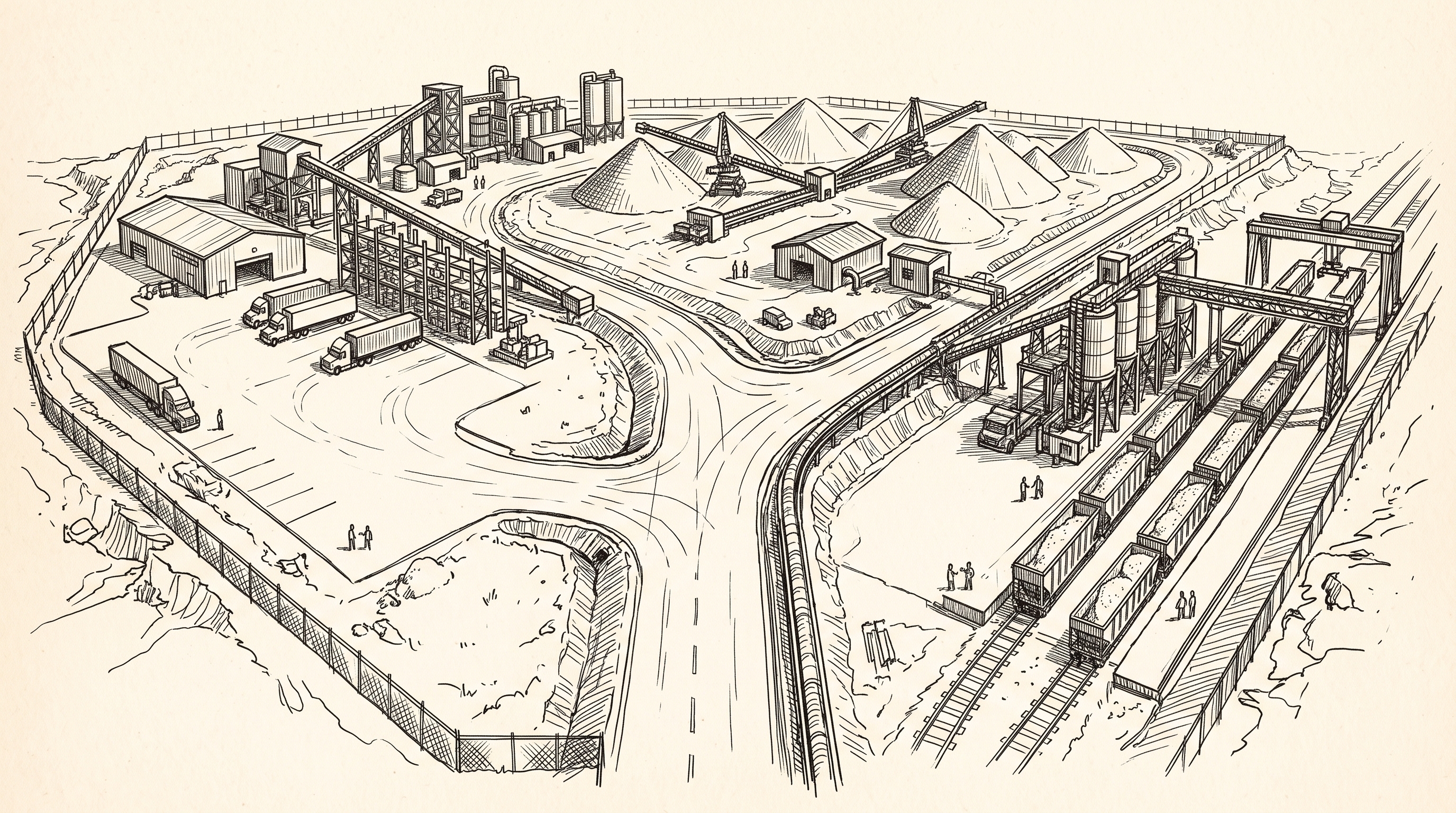
Before any model gets built, the call itself has to be pinned down: who owns it, what options are genuinely on the table, and which constraints actually bind versus the ones people assume. Most of the value is decided here. A model built before the decision is understood will be rigorous, accurate, and useless.
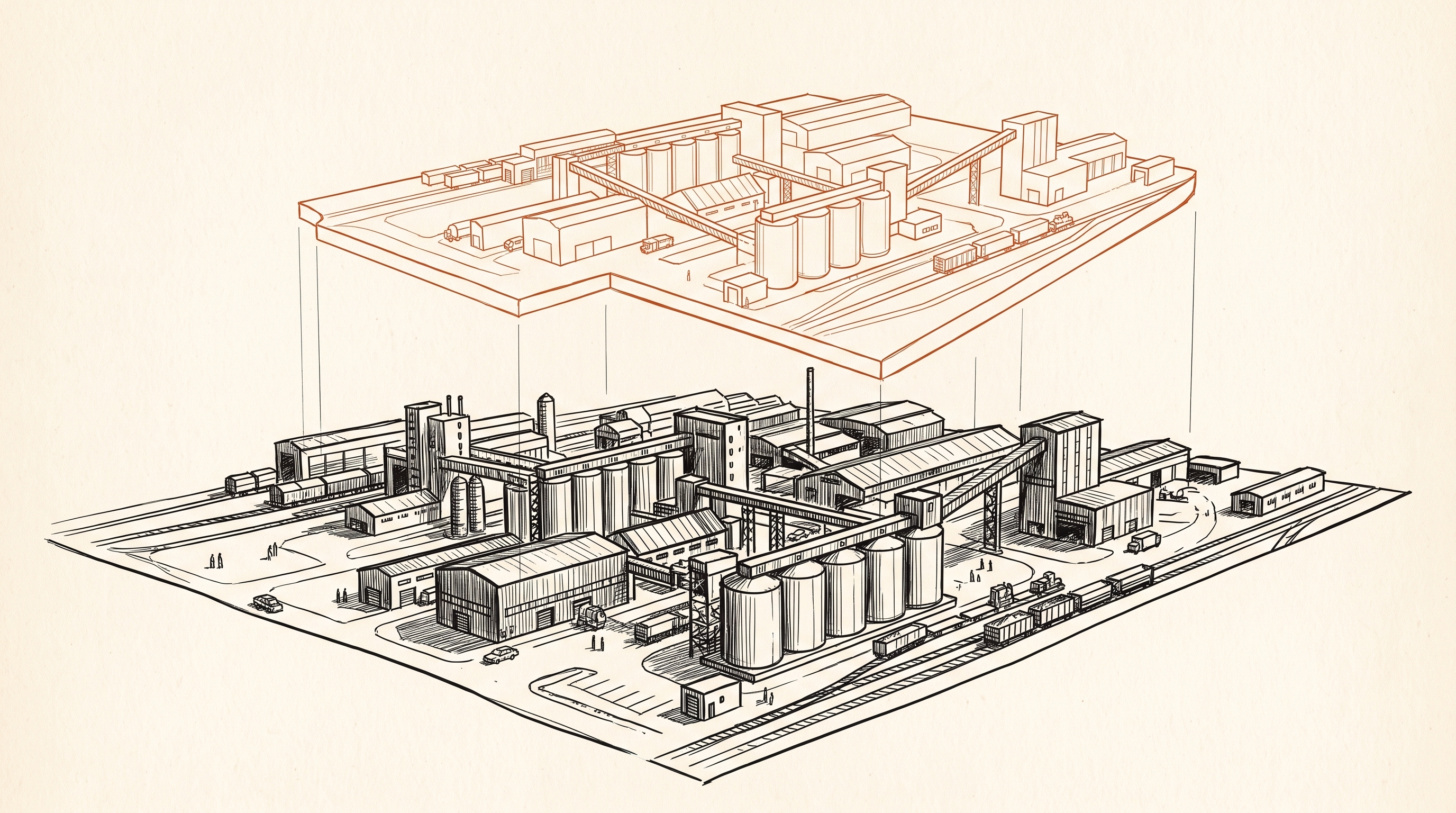
The operation gets built as it actually runs, on your own data, including the decisions that never make it into a process document: which job jumps the queue, what the dispatcher does when a truck is late, why the second shift behaves nothing like the first. Then it is validated against how the operation really behaves, so the answers hold up.
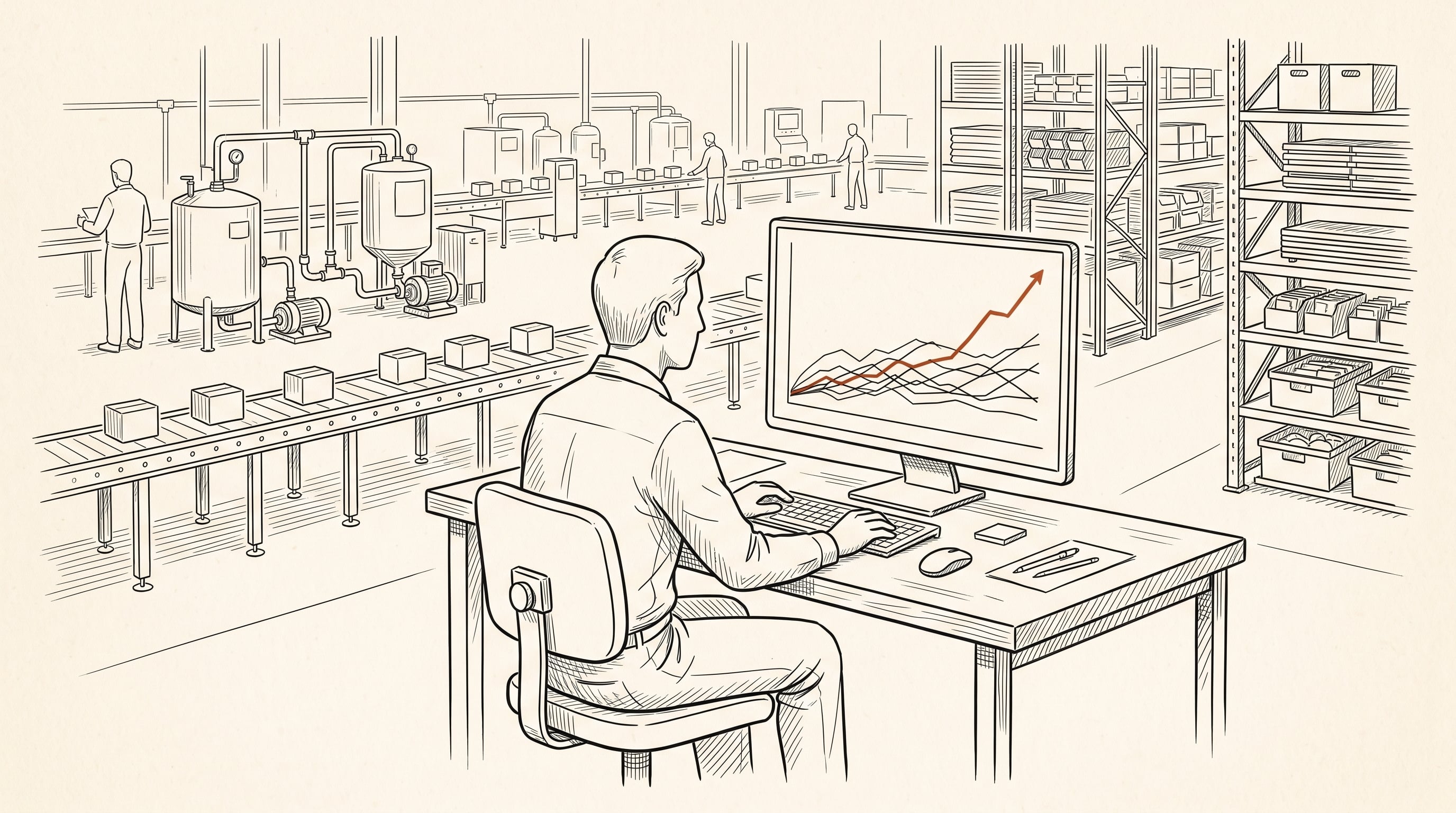
Each option runs against the model, including the conditions that break a plan: the surge, the breakdown, the two landing in the same hour. The comparison is not against an average day but against the days that actually cost you, so the answer you carry forward is the one that survives a bad one.
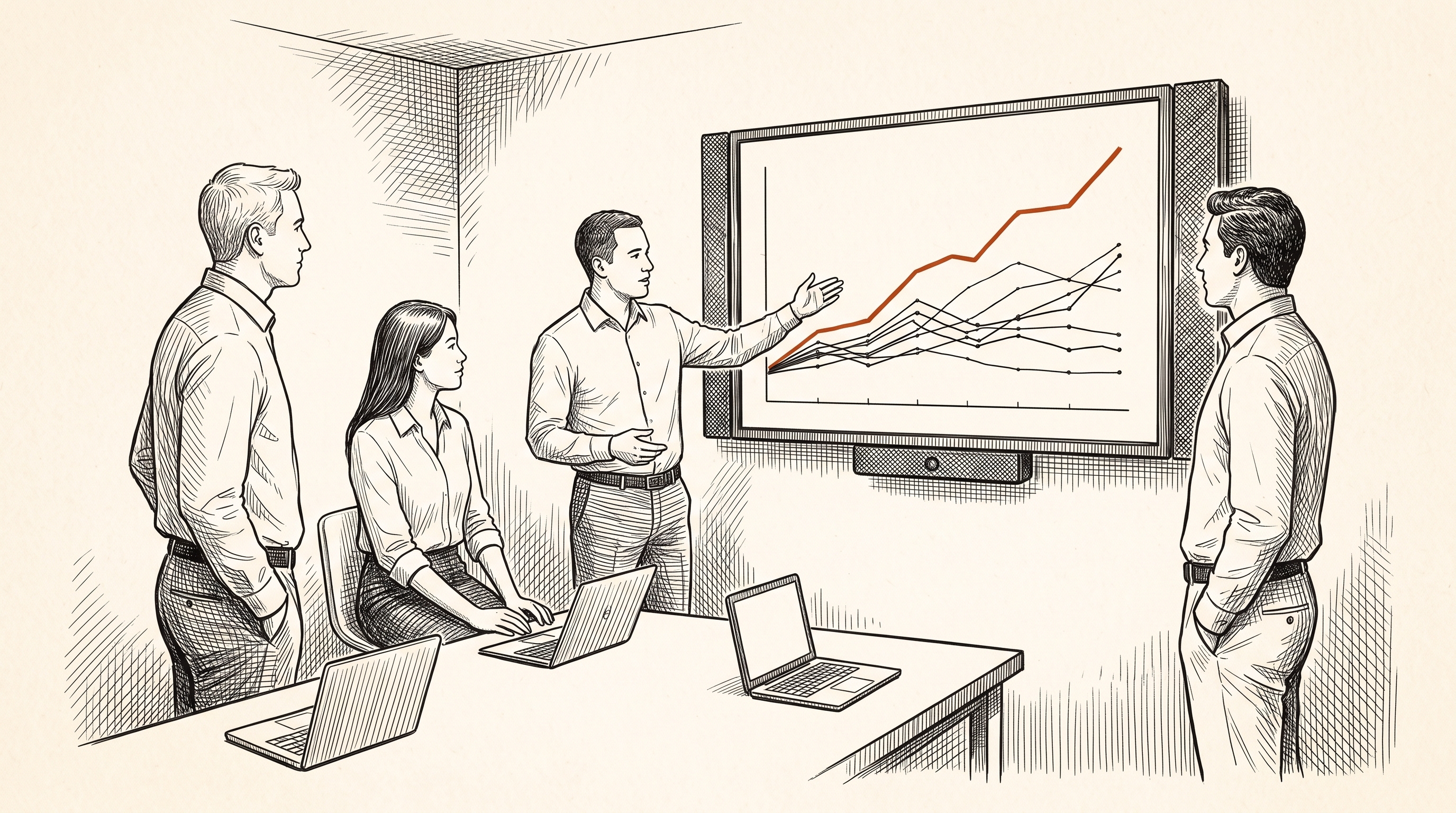
The whole room works from one picture instead of competing spreadsheets. People question the model in plain language, push on the assumptions, and watch it respond, until the disagreement that used to stall the call resolves into something everyone can see. This is where a standoff becomes a decision.
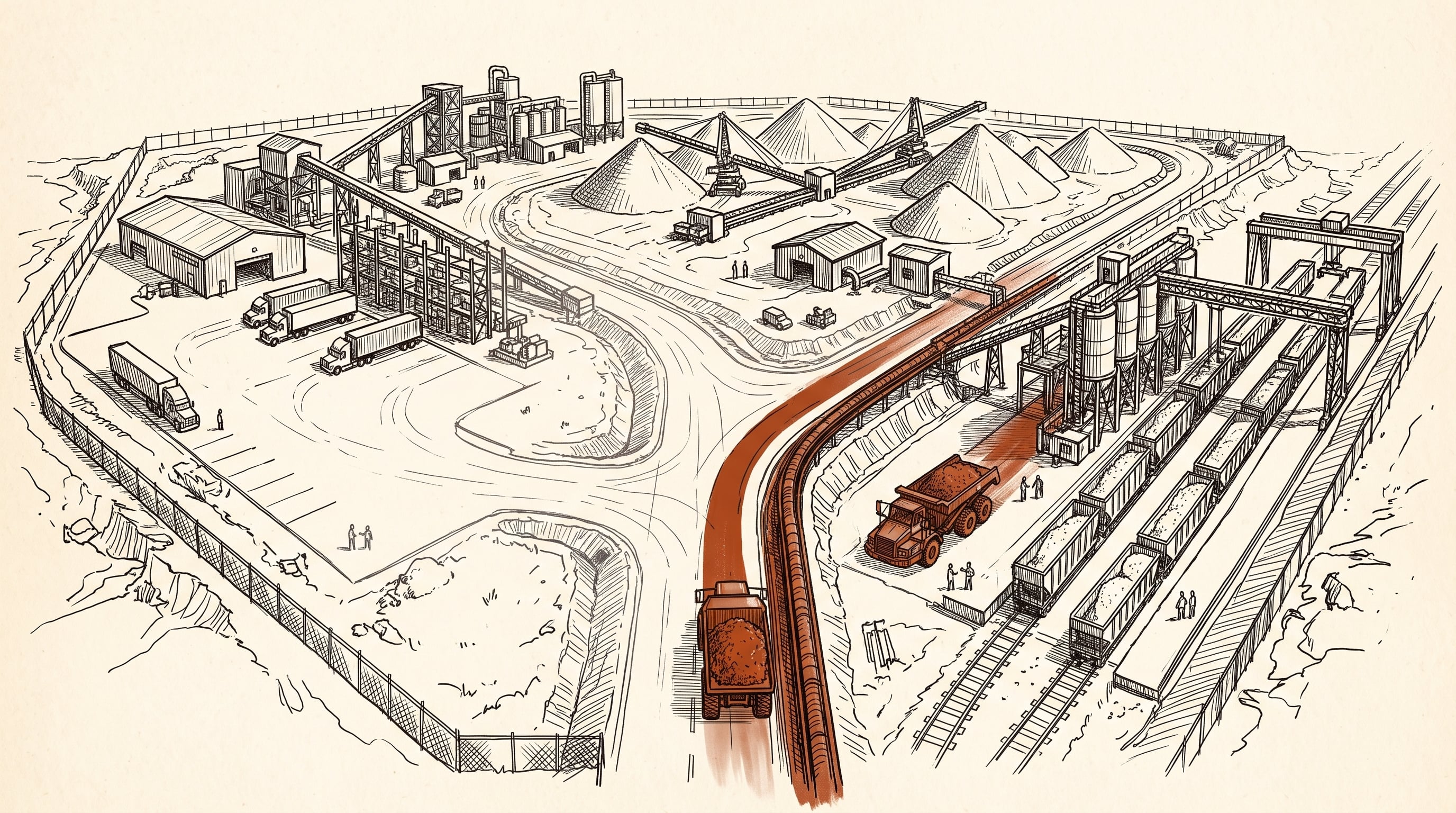
The decision gets made on evidence, with the alternatives, the tradeoffs, and the remaining uncertainty all in view. The model shows what each option leads to; the people who know the operation decide what that means. The call stays yours, and now it can be defended in front of anyone who asks.
The model is the core: a working replica of how the operation behaves. But a model answers the question once.
The system is everything that makes the answer repeatable: the model, the tool your planners run, the validated logic behind it, and the way it comes back whenever the decision returns. We build the model. Your team runs it, reads the results, and makes the call.
Your team is not the problem. No person, however experienced, can hold every interaction in a modern operation in view at once. A decision system does, so the questions that get skipped under time pressure become the ones the model answers first.
A change that relieves one bottleneck often creates another somewhere else. The model follows the effect through the whole system, not just the step in front of you.
Optimizing one line, shift, or site can quietly cost the network more than it saves. The model weighs the local move against the whole.
The bottleneck everyone points at is often not the one that governs the outcome. The model finds the constraint that really moves the number.
Plans hold on an average day and fail on a bad one. The model runs the surge, the breakdown, and the two landing at once, so you see the edges before they find you.
Every plan is a prediction built on assumptions no one wrote down. The model makes them explicit and shows which one the outcome is most sensitive to.
A single number hides its own risk. The model reports the range, so a call gets made with the uncertainty in view rather than assumed away.
The operation built in a dynamic environment that runs through time, so a delay upstream, a surge, and a breakdown all land where they really would. Options get tested there, risk-free, before anyone commits.
The most effective way to deploy resources, schedules, and routes under real constraints, and where time, money, and capacity are being lost.
Predictive and prescriptive layers that answer what is likely to happen and what to do about it, supporting human judgment rather than replacing it.
The patterns, drivers, and relationships in your data that point to where the real opportunities and risks are, so the model is built around what matters.
Clean, connected pipelines that keep the model accurate, validated, and fed by your own systems, so the understanding stays current.
A model with live data flowing into it, so runs are tied to the actual state of the operation at that moment.
Only when a live loop existsEverything above is how a decision system gets built and used inside an engagement. When you want to own that system and run it yourself, on your own terms and every cycle, it takes the shape of a product.
A working model of your operation, running on top of the systems you already have, ready for the next decision and the one after.
Your planners open it, run this week's numbers, and compare the options, without waiting on a specialist.
Validated, versioned, and traceable, so every result holds up in front of a board or a capital committee.
Testing an option becomes part of normal planning, not a study you commission again each time.
Compass is the environment that makes a decision system self-serve: your models, run in the browser, governed, and owned by your team. Most of our work never needs it, clients come to make a decision and the system stays with them either way. When you want to run it yourself, this is how.
Right now the hardest call is probably splitting the room or sitting unmade, and the weight of getting it right is on one desk. A model the whole room can question turns that into a call made on evidence instead of conviction. If modeling won't help, you'll hear that in the first conversation.
