MINING AND ENERGY

Mining and energy

Find the throughput before you buy the fleet. Prove the corridor survives a full operating year before the first truck runs. Know where the constraint really sits before the capital commits. SimWell builds working models of how your operation behaves, so the hardest calls get made on evidence instead of conviction.

Mininghero

The gap between the data and the decision

No one can make the call.

You have the mine plan. You have the fleet telemetry, the maintenance history, the assay data, the throughput reports. The capex decision is due before budget season closes, and no one can make the call.

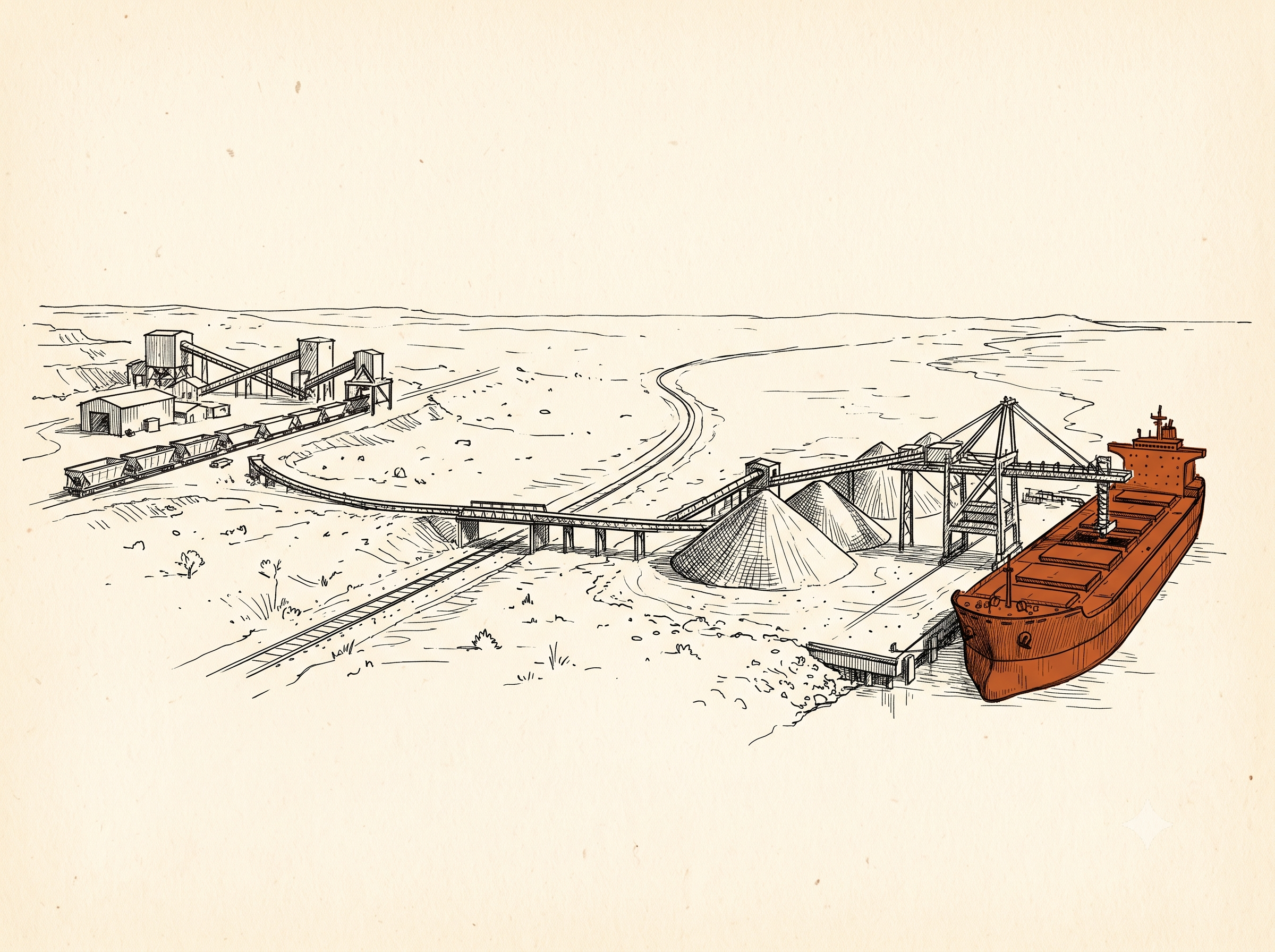
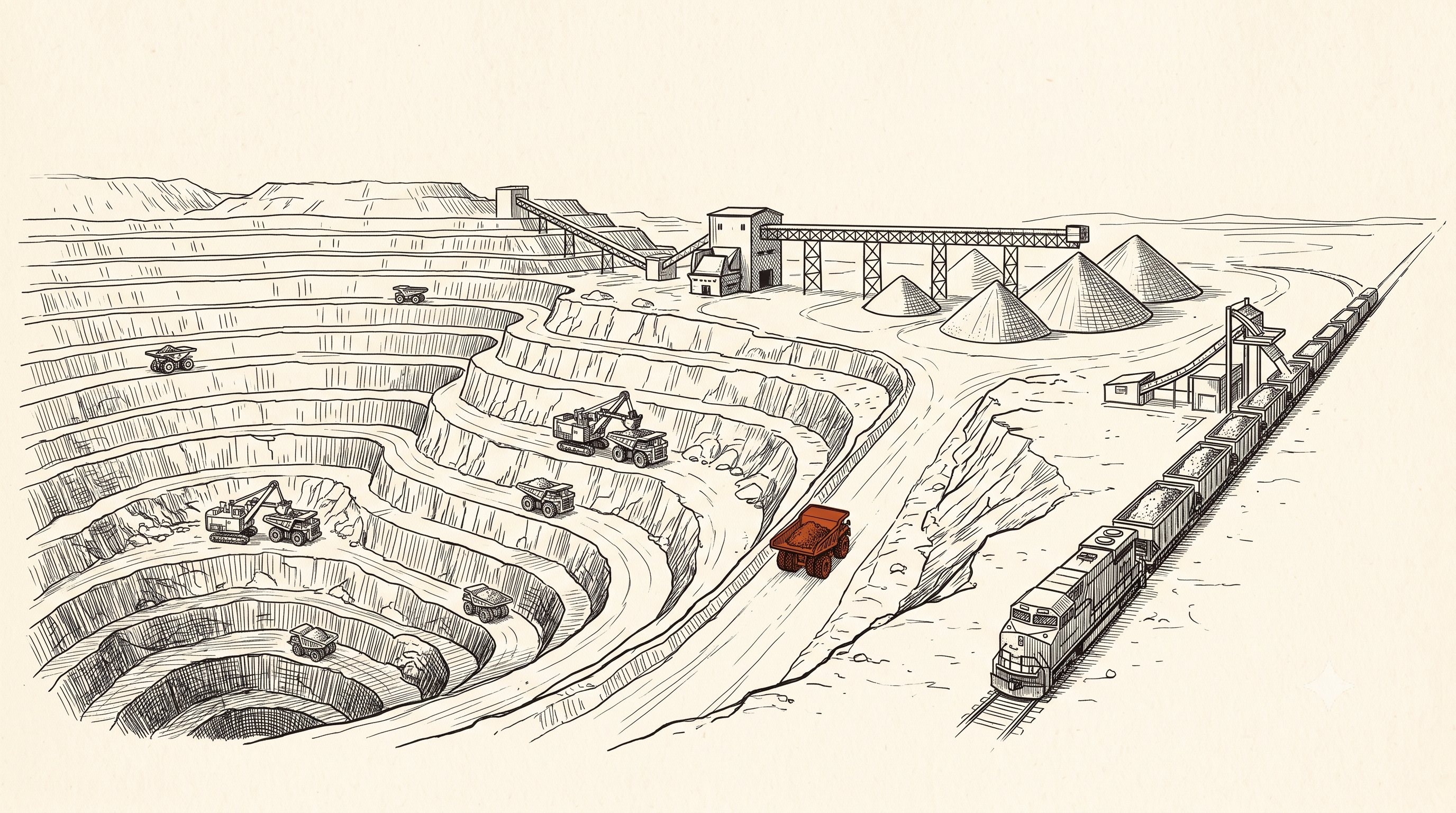
A mine is a chain that runs from the pit face to the port, and every link sets the pace for the next. A shovel loses an hour to ground conditions, and the crusher runs starved by mid-shift. Grade drifts on the ROM pad, and mill recovery pays for it three stages downstream. A haul road that clears in the dry season backs up the week the wet season lands. What clears capacity on paper stalls the moment variability and maintenance stack up, and the consequences of the hardest decisions stay invisible until after the commitment is made: the fleet is bought, the plant is de-bottlenecked at the wrong station, the outbound corridor is contracted for the year.

Inside that reality, teams get stuck in familiar ways:

The operation

Nobody trusts the number.

The plan performs on the average day, and no mine runs on the average day. The shortfalls come at the surge, the shovel that goes down mid-shift, the wet-season week when three constraints bind at once.

The room can't converge.

A mine planning team and a corporate capital group look at the same operation and reach opposite conclusions, each backed by a different spreadsheet, and the fleet decision sits unmade while the board deadline closes in.

The tools show a snapshot.

The plan in the scheduler, the throughput report from last month, the capacity calc in Excel. What you need is what happens next: how pit, crusher, mill, and rail interact across a full year, where the constraint moves when you add a truck, what one wet season does to the stockpile. Static tools can't show a moving chain.

The capability lives in one person.

Where a modeling seat exists at all, it sits with one analyst whose spreadsheet workarounds take a week to run and whose departure would take the capability with them, and the questions arrive faster than one desk can answer: every expansion, every fleet renewal, every price swing that reopens the plan.

And it lands on you

The weight lands on one desk.

Someone signs the fleet capex or approves the plant expansion. All of that interaction, all of that risk, measured in commodity dollars and years of committed capital, and nothing exists to show the room what each option sets in motion before the signature.

The decisions mining and energy leaders own

Six decisions that constrain each other, which is exactly why they're hard to make one spreadsheet at a time.

None of these decisions arrives alone. The pit sequence fixes what the mill can be fed. The mill throughput sets what the outbound corridor has to carry. Corridor capacity decides whether the stockpile buffers a bad week or overflows it, and the maintenance plan decides whether the fleet that cleared every review still hits tonnage on the floor.

SimWell organizes its work around all six.

Capital & capacity

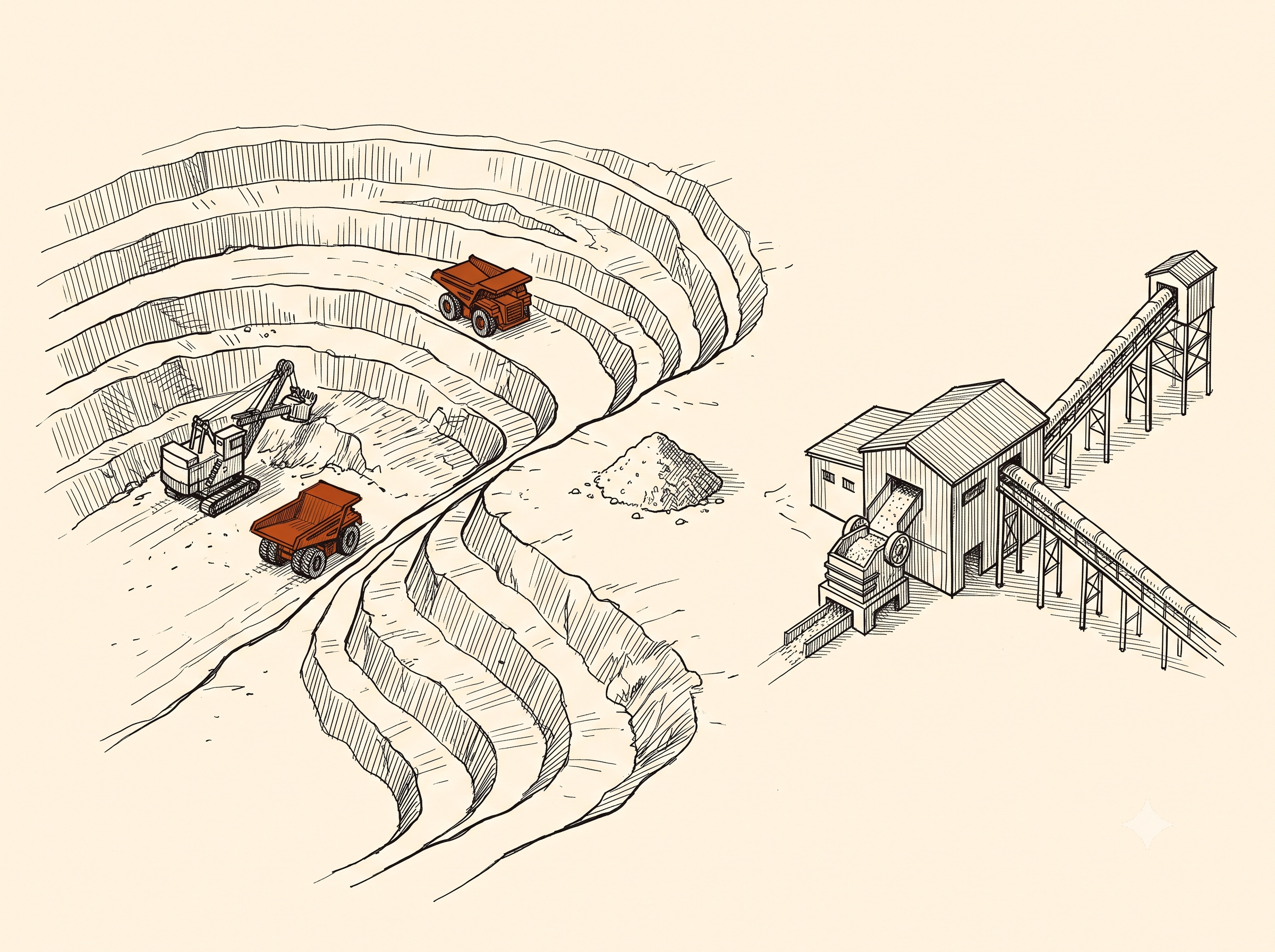
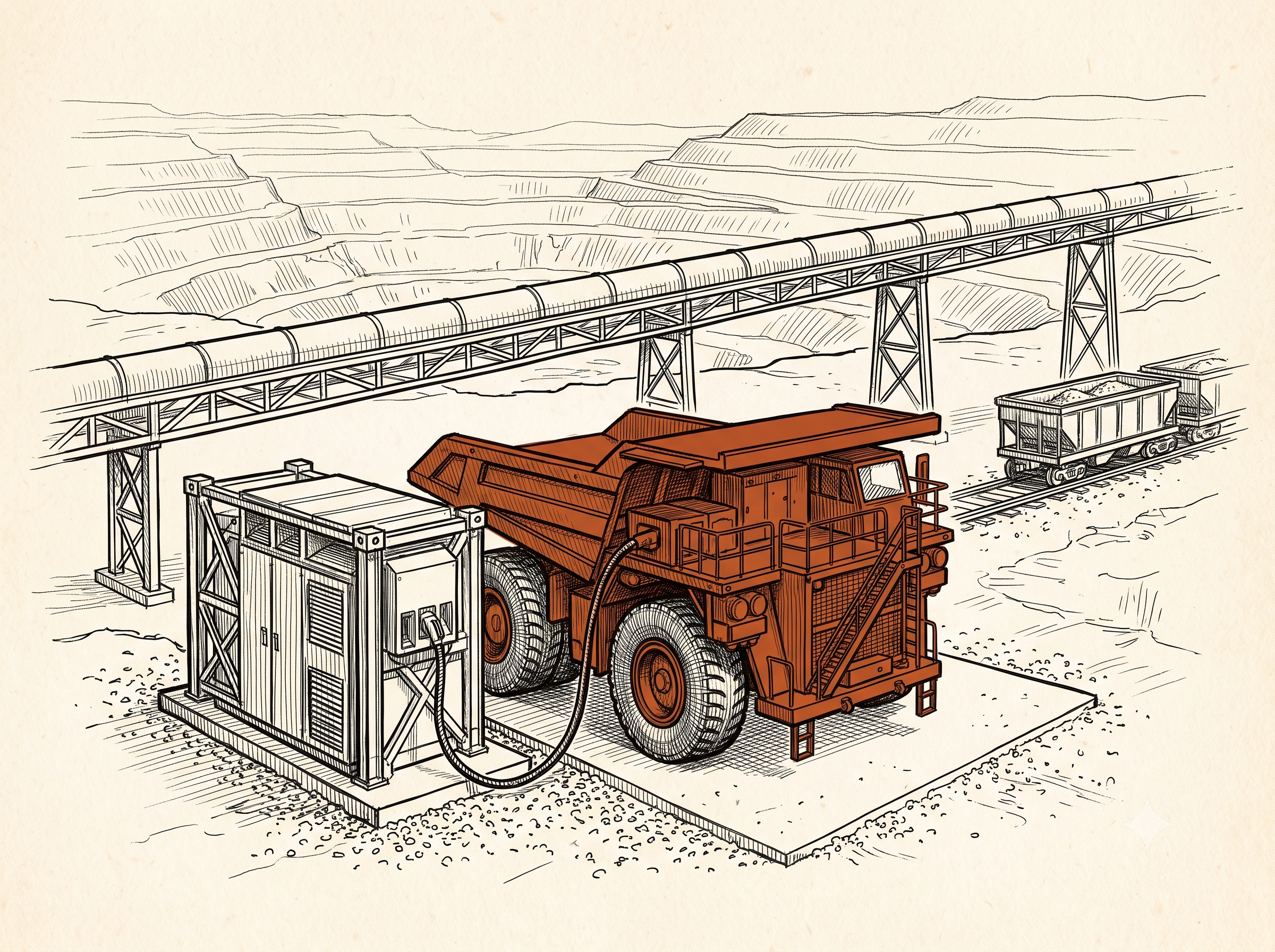
Whether to build, buy, or expand, and how much capacity to put in place for the decades a mine or plant runs. Fleet size, crusher and mill capacity, plant de-bottlenecking, the diesel-to-electric transition: choices that lock in capacity and cost for years and rarely come back cheaply.
Network & footprint

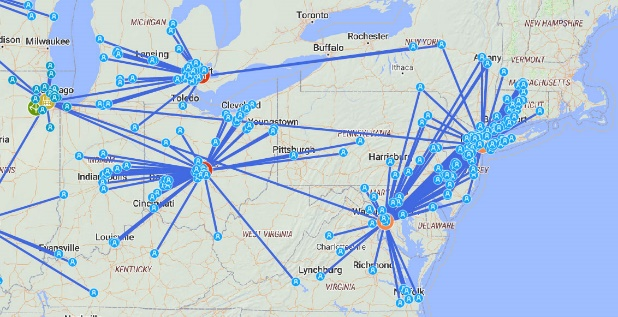
Where processing, stockpiles, railheads, and ports sit, and how material flows from pit to port across the value chain. Which route moves concentrate to market, which port class the cargo actually needs, and whether the corridor even exists before the mine commits to it.

Routing & dispatch

How to assign trucks, shovels, and locomotives when grade, ground conditions, and demand shift by the shift. Truck-shovel assignment, haul-road priority at intersections, locomotive and crew scheduling, siding meets on single-track rail.

Throughput & bottlenecks

Where the constraint really sits across the mine-to-mill-to-port chain, and what will move it, before spending on the wrong fix. The truck buy that would have shifted the constraint one station downstream, the de-bottlenecking spend that clears a stage the mill never waits on.

Staffing & scheduling

How many crews are needed, in which roles, on which rosters, to hold output through the wet season and the maintenance window without overspending on one of the largest controllable costs in the operation. Cross-skilling, shift structure, and rosters that survive both the planned shutdown and the unplanned one.

Contingency & risk

What breaks when a shovel fails, a season closes the road, a single vessel misses its window, or a price move reopens the plan, and what the response should be before it happens at the pit face.

Why the current approach stalls out

A plan that works on the annual average fails in the third week of the wet season.

None of the above is an indictment of how mines and plants are run today. Mine plans, historical rates, engineering judgment, and hard-won spreadsheets carry the daily operation, and they earned their place. The decisions above ask a different question: what the whole chain will do once you change it. Answering that requires representing the variability, the maintenance, and the interactions between pit, plant, and transport, which is precisely what a spreadsheet or a single-year rate was never built to carry.

A capacity calc built on averages plans a year that never happens. Operators deviate from plan for ground conditions and safety, equipment goes down on its own distribution, and the constraint moves when you least expect it. The mean is where the tool lives. The operation breaks at the edges.

WHAT SIMWELL BUILDS

We build decision systems.

The core is a working replica of how your operation behaves, validated against the operation itself, down to the operating rules and the variability your reports average away: block sequencing and grade blending, truck-shovel interactions, crusher and mill behavior, planned and unplanned maintenance drawn from your own history, the way a delay at one stage spreads through everything downstream. You run your options through it and watch what each one sets in motion before any capital commits.

The model answers the question once. The system makes the answer repeatable, so it's there whenever the decision returns: the next expansion, the next fleet renewal, the next price swing that reopens the plan. Your team runs it, reads the results, and makes the call. The work runs on top of the systems you already have, and when the engagement ends, the capability stays.

PROOF

Decisions made on evidence, not conviction.

mining_cs1

CASE STUDY

Where should the fleet capital actually go?

A multi-site gold producer heading into budget season faced a fleet capex decision across four operationally distinct mines with no defensible basis for making it, under a board deadline and a budget that ruled out four separate models. SimWell built one parameterized AnyLogic model of the full mine-to-mill chain, configured per site through a scenario manager the client's own engineers run. The model showed that adding trucks would have worsened congestion, not throughput, because the real constraint sat downstream. Capital went to the constraint that mattered, and a single avoided fleet purchase protected millions.

Read the case study
miningcs2

CASE STUDY

Which technology mix actually gets you to carbon neutral?

A diversified natural resources producer committed to carbon neutral by 2050 had to choose a transition path across electric trucks, recharging technologies, rail, and conveyors, tested over a 30-year horizon with acquisition and lifecycle costs. SimWell optimized the existing AnyLogic model to run a full year in seconds and connected it to an AI brain in the loop, so the team could compare technology combinations on cost, emissions, and haulage before committing to the transition.

Read the case study
mining_cs3

CASE STUDY

Is there even a route before the capital commits?

An Asian metals manufacturer weighing a multi-decade investment in a remote Canadian critical-minerals mine needed a defensible logistics answer before a US$25M board commitment: could concentrate reach the smelter at all. Prior advisors had said it couldn't be done. SimWell decomposed six candidate ports across both coasts into truck, rail, terminal, and ocean segments, validated each leg with real carriers, and surfaced two routing options the buyer's earlier advisors had missed, including the only Quebec port offering direct bulk sailings to Japan.

Read the case study

HOW ENGAGEMENTS BEGIN

One decision, bounded scope, sized to the window the decision actually has.

  1. 01

    Frame the decision.

    One decision, the options on the table, the constraints that bind, and the criteria the room will judge by. If a model won't help, you hear that here, before anyone scopes anything.

  2. 02

    Build and validate the model.

    We build a right-sized model against the data you have. Perfect data is never the entry requirement; the first pass runs on your mine plan, historical rates, and the maintenance records your team already trusts, and the model itself surfaces which data gaps matter enough to close. Your engineers review the logic as it takes form, so the operation in the model behaves like the one they run.

  3. 03

    Deliver the decision package.

    Scenario results, documented trade-offs, stated assumptions, and a model your team keeps. Model logic and assumptions stay visible throughout, and results are reviewed together rather than delivered as conclusions, so the recommendation you carry to a board or a capital committee is one you can defend line by line.

WHY SIMWELL

Plenty of firms can build a model. Fewer can build one that holds up inside a real operation.

SimWell's consultants carry one of the deepest modeling benches anywhere, and many spent years inside pits, plants, and logistics corridors before they built models of them. They know why a plan that clears every capital review can still fall short on the floor, and they build for the floor. The work is grounded in operational knowledge of mining and energy logistics, from open-pit haulage to ore-by-rail to single-vessel remote resupply, so the model reflects how the operation actually runs.

WHO THIS IS FOR

A decision this cycle where the downside is real.

A decision this cycle where the downside is real: capital committed to a fleet for a decade, a plant expansion sized to the wrong constraint, tonnage lost season after season. If a spreadsheet or an outside study has already failed to settle the argument once, you're in the right place.

Discuss the decision

Bring one question. If modeling can support a defensible commitment, we'll show you the smallest scope that gets you there. If a model won't help, you'll hear that in the first call.

Start a conversation

RESOURCES

More on the decisions mining and energy leaders own.

1-1

WEBINAR

Enhancing CAPEX Decisions in Mining Through Predictive Simulation

See how simulation turns a capital case into evidence a board can interrogate.

Watch the webinar
Top 3 challenges in mine planning

BLOG

Top 3 Challenges in Mine Planning and How to Avoid Them

The planning traps that surface again and again across mine sites, and what moves them.

Read the article
Mining value chain simulation and digital twins

BLOG

Tackling Mining Value Chain Challenges with Simulation & Digital Twins

How modeling the value chain as one system exposes the constraints a single-site view hides.

Read the article