INDUSTRIES

Industries

SimWell builds working models of how your operation behaves, so the hardest calls get made on evidence instead of conviction.

Where the decisions live

Start with your operation.

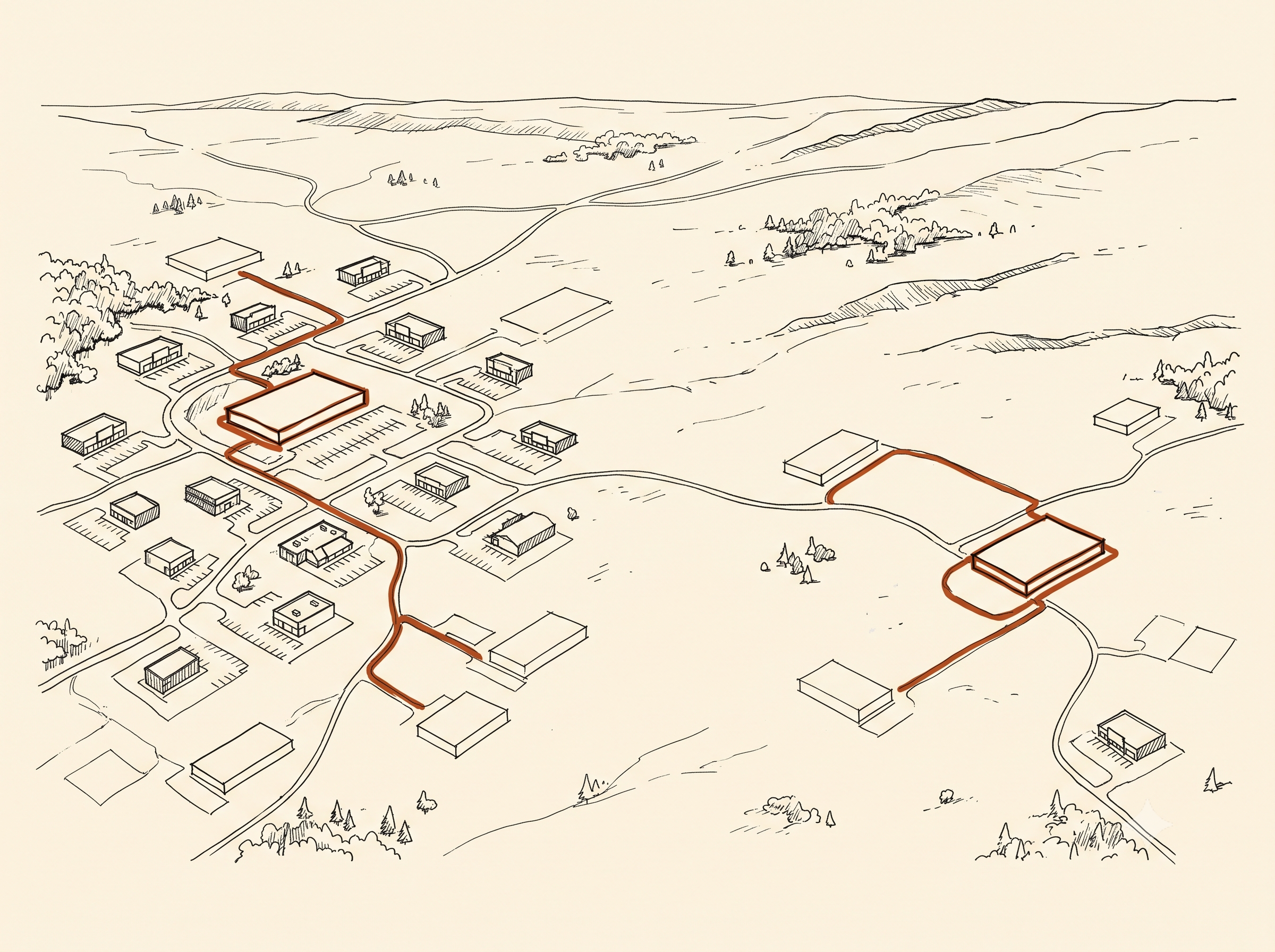
Supply chain network simulation

Supply chain

Two planners, the same network, opposite conclusions, and a capital request that's been sitting for two quarters.

Explore supply chain →

Case study

SimWell guides a retailer to redesign its supply chain network

Where distribution centers should sit, and how many, settled before the capital request went forward.

Read it →
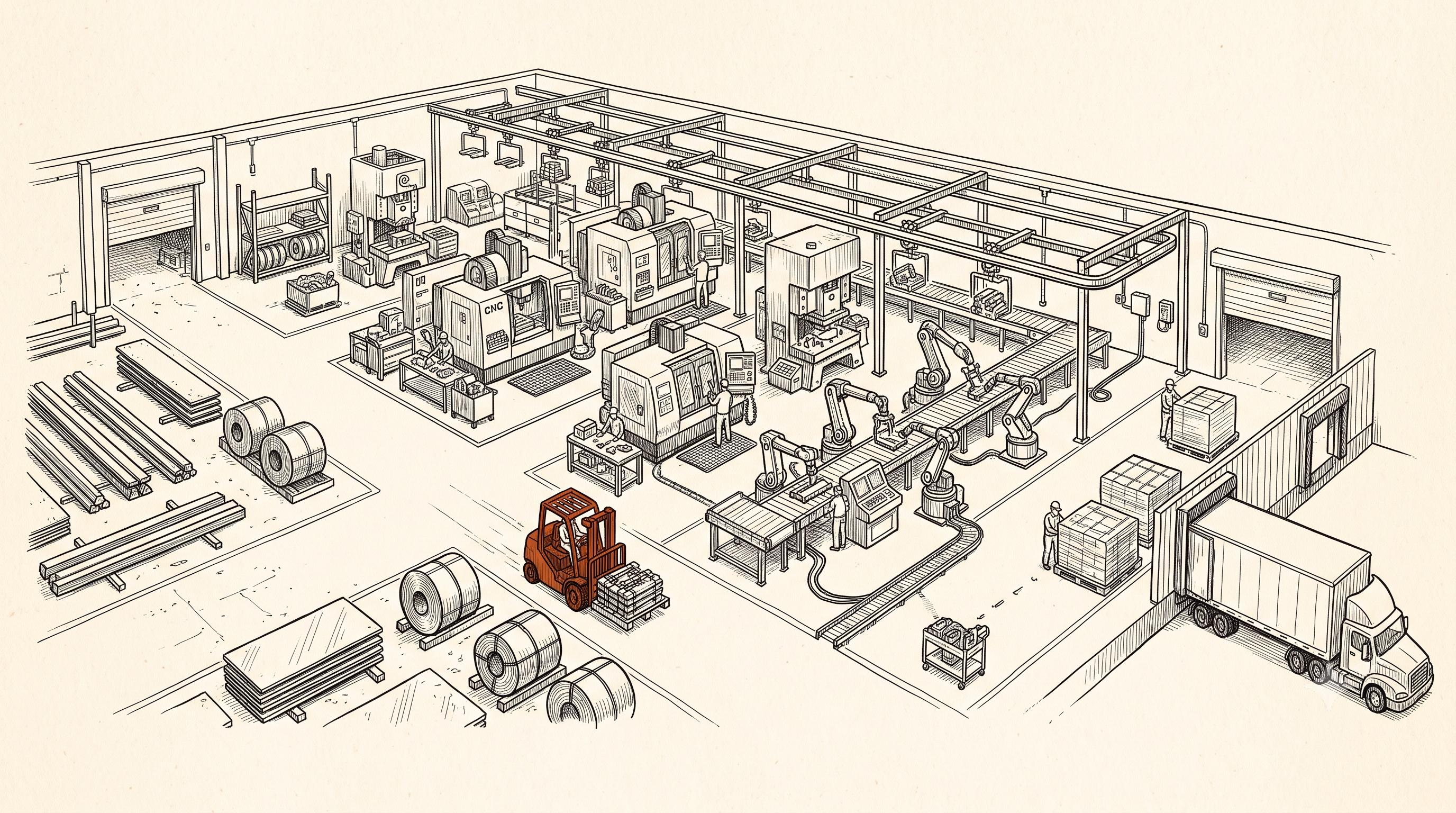
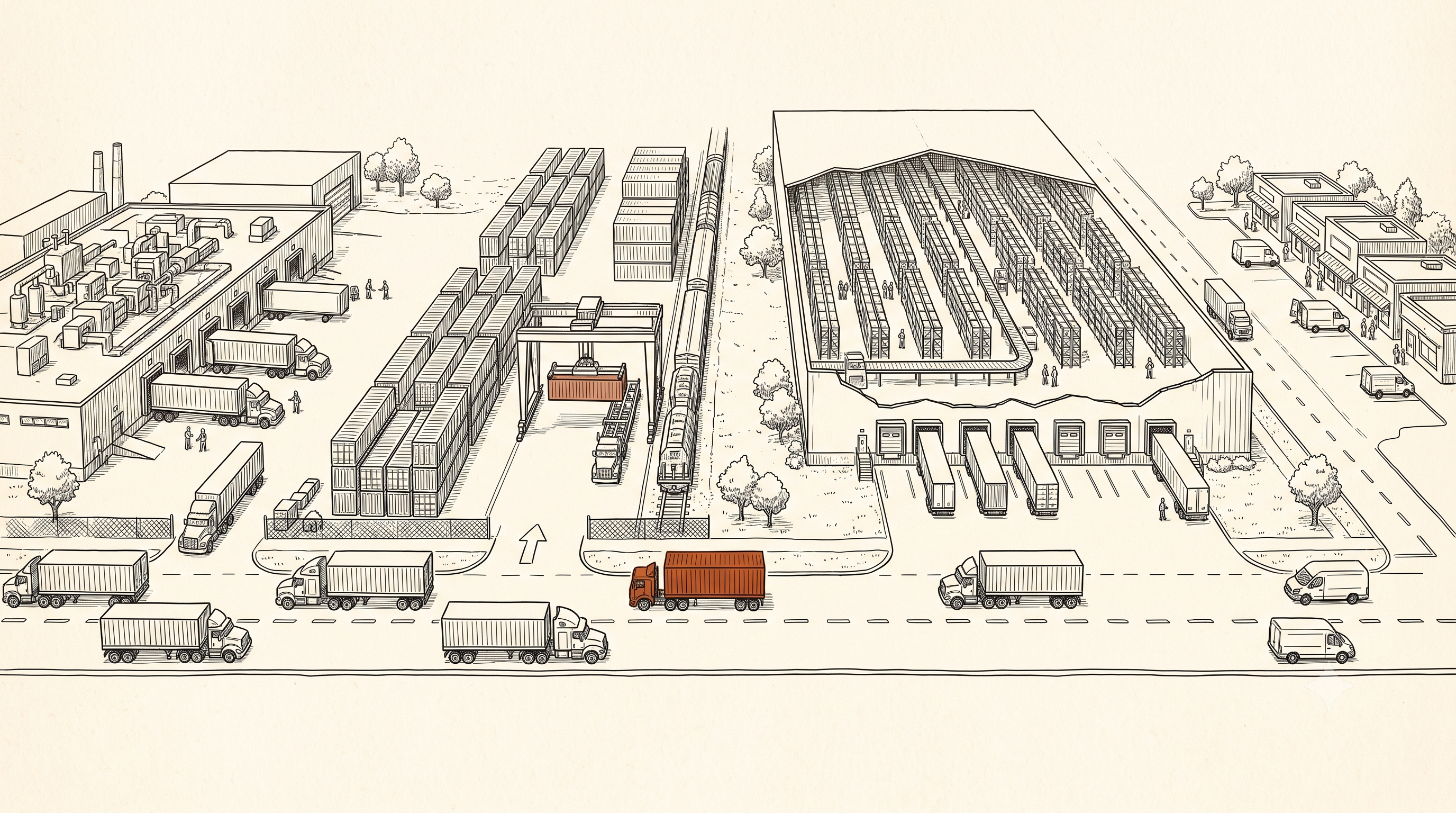
Manufacturing production line model

Manufacturing

The order book runs years past what the planning system can see, and someone still has to say whether November is safe to promise.

Explore manufacturing →

Case study

Booked years out. Blind past next quarter.

A vertical manufacturer replaced a three-month planning horizon with one that runs the full order book forward.

Read it →
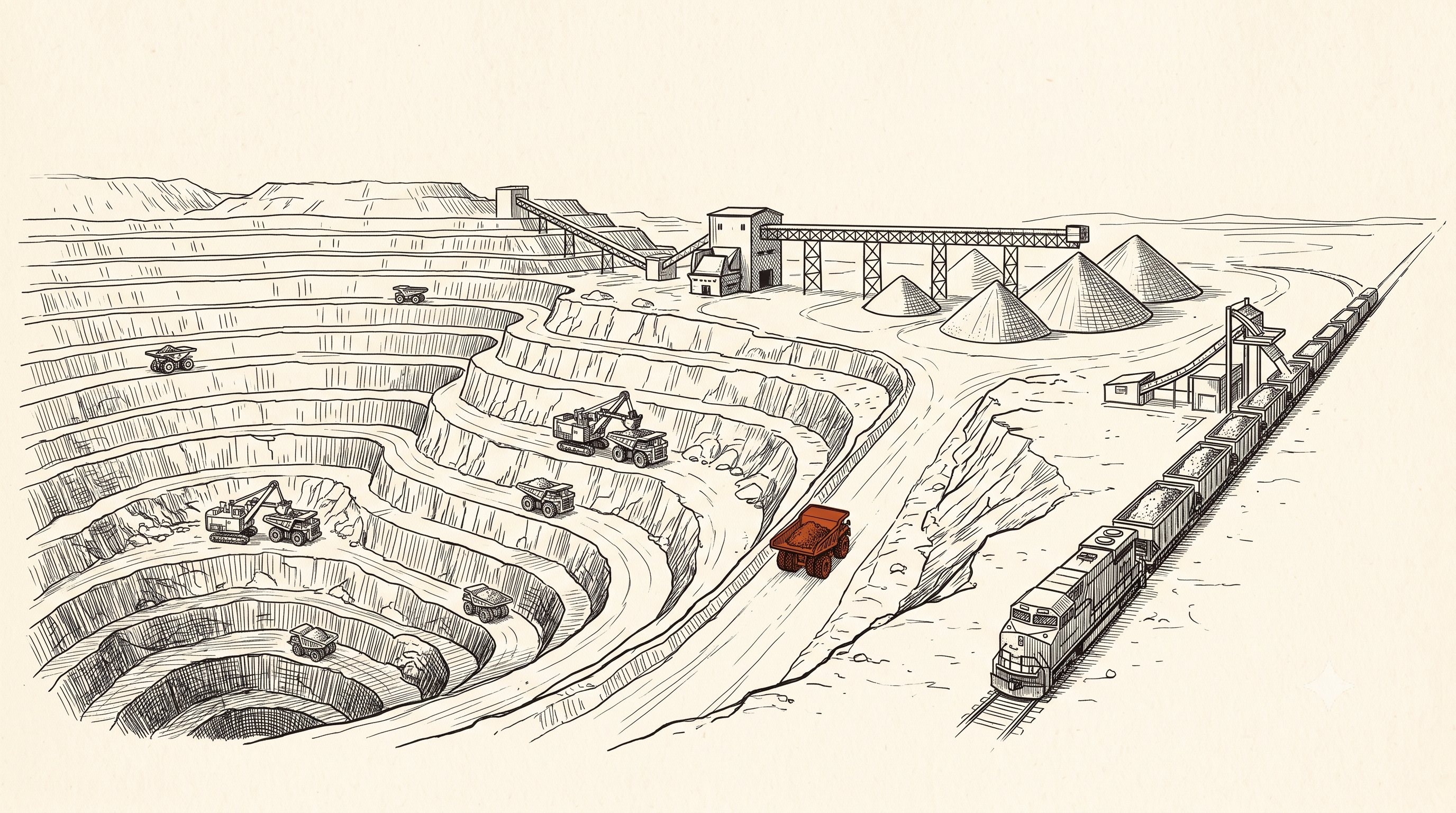
Mining and energy logistics model

Mining & energy

The fleet request is costed and ready to sign. Nobody can say whether the queue is even at the shovel.

Explore mining & energy →

Case study

Pre-feasibility logistics for critical minerals

US$25M was on the line and two prior advisors could not answer the question. A logistics model did.

Read it →
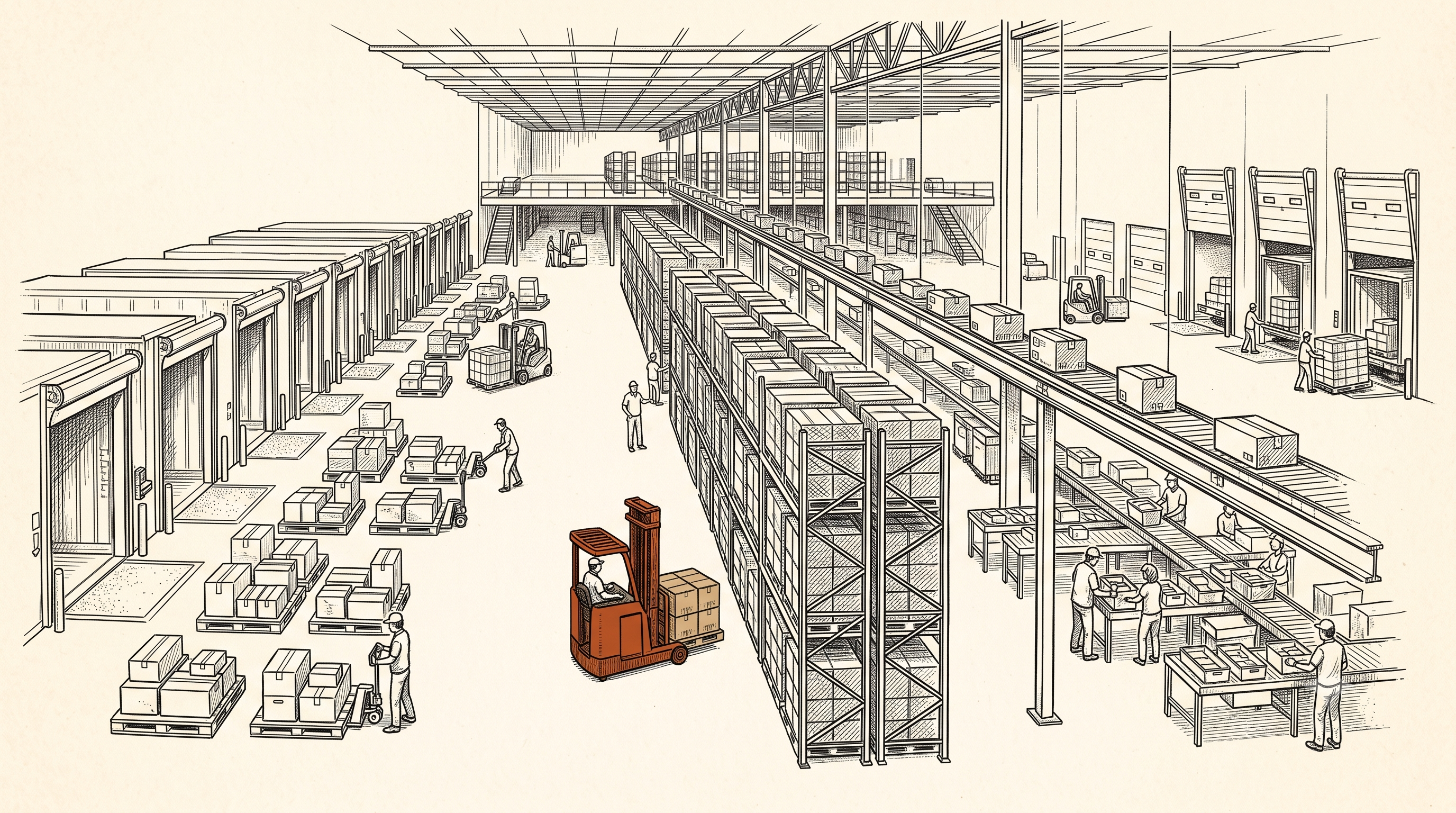
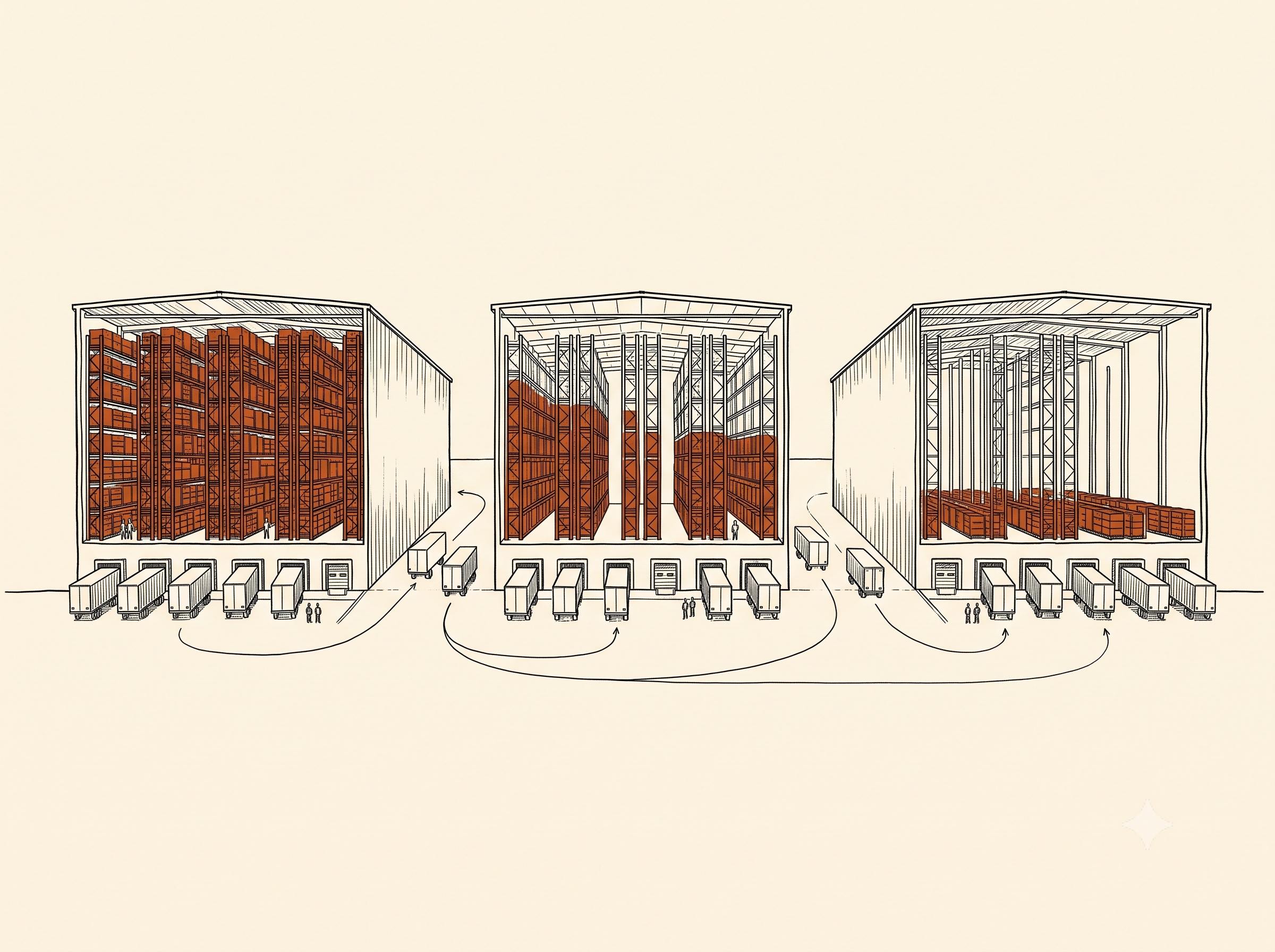
Warehouse design simulation

Warehousing

A rate on a spec sheet, and a building that has never once run the way the spec sheet assumes.

Explore warehousing →

Case study

Finding the bottleneck in a warehouse design before it was built

Simulation located the constraint in the layout and set the throughput the building would actually hold.

Read it →
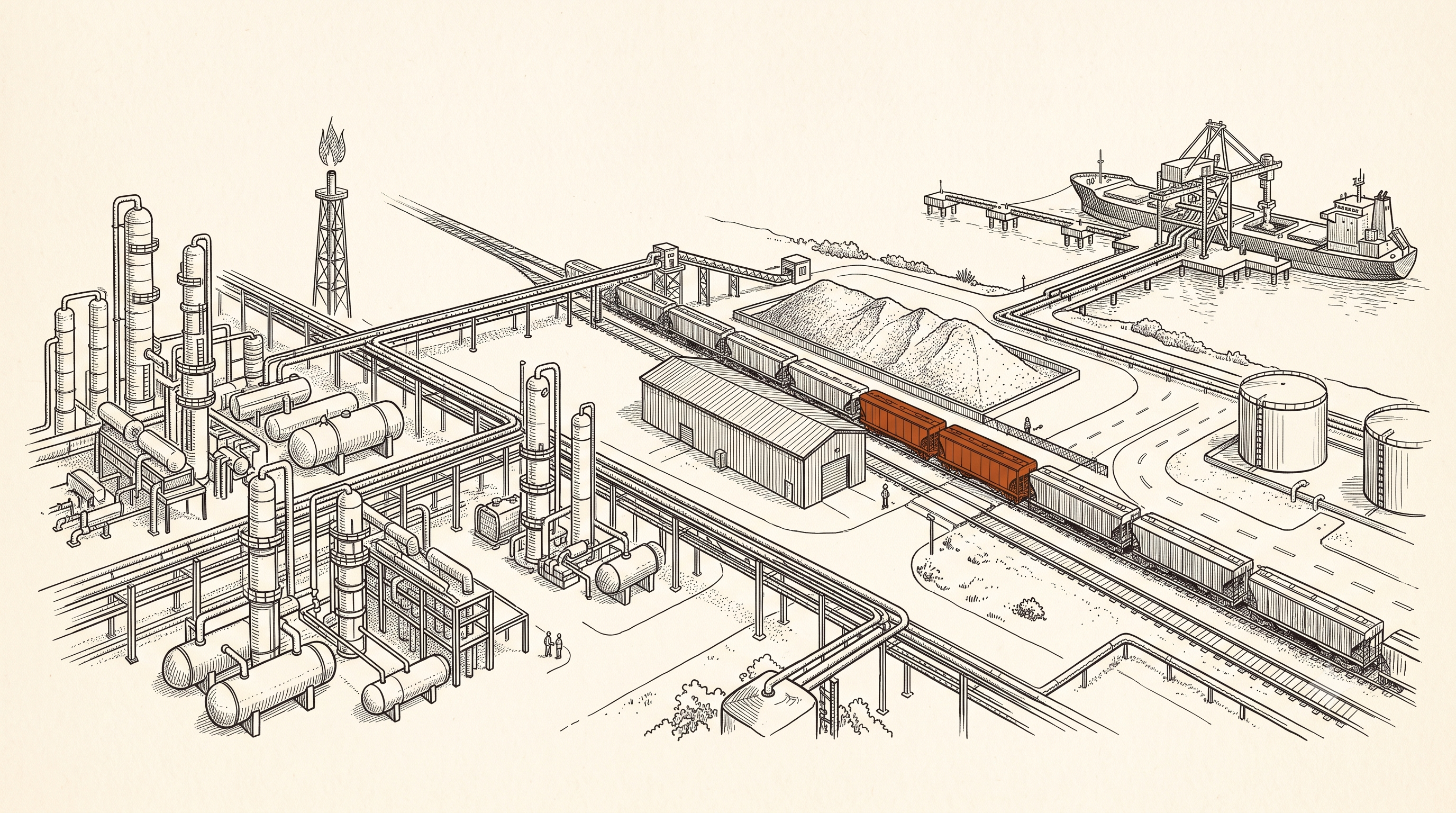
Oil and gas facility model

Oil & gas

The plant, the trains, and the berth each keep their own schedule, and the upgrade decision waits on all three.

Explore oil & gas →

Case study

The bottleneck that wasn't

A sulfur logistics model found the real constraint and redirected a major capex decision before it was signed.

Read it →
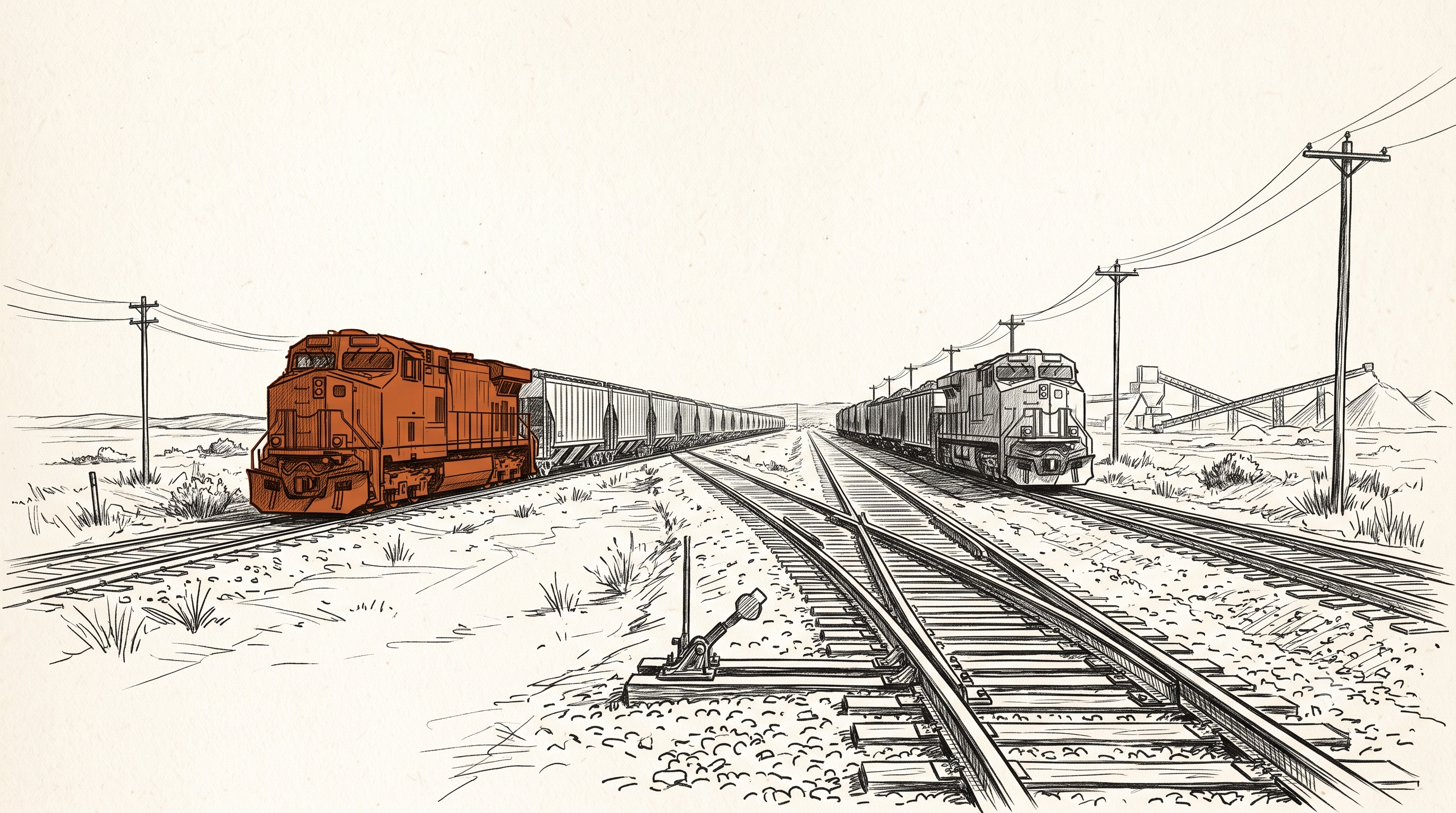
Rail yard digital twin

Rail

Nine figures of new track, or capacity already sitting on the line that no one has been able to see.

Explore rail →

Case study

Building a rail yard digital twin with AnyLogic

Sorting, storing, loading, and unloading modeled together, so yard changes could be tested before they were made.

Read it →
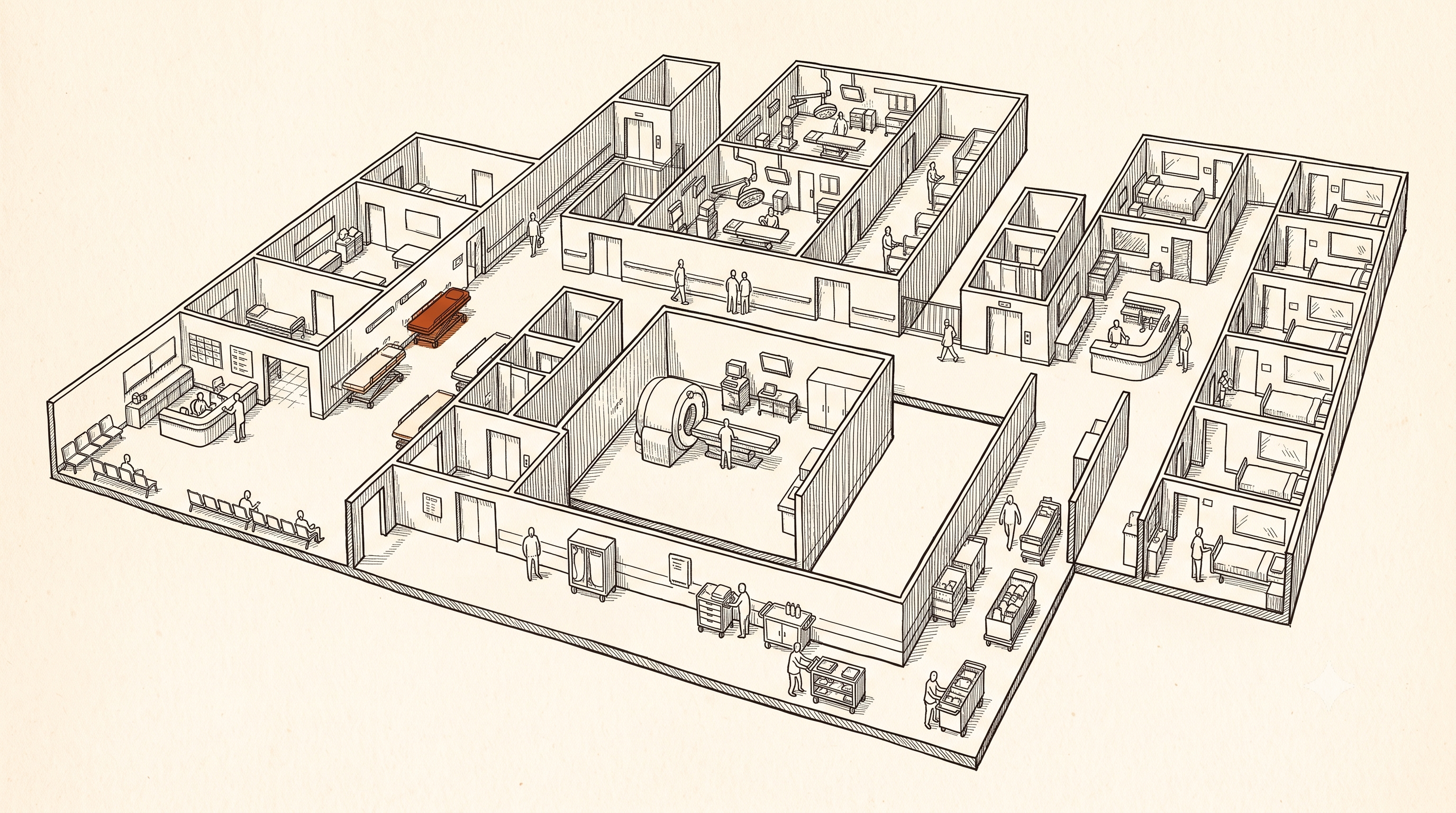
Healthcare patient flow model

Healthcare

Beds are the request. The wait usually starts with a discharge decision on a different floor.

Explore healthcare →

Case study

Strategic questions that improve flow, staffing, and scheduling

The questions to settle before adding beds, and what a patient flow model can answer about each one.

Read it →
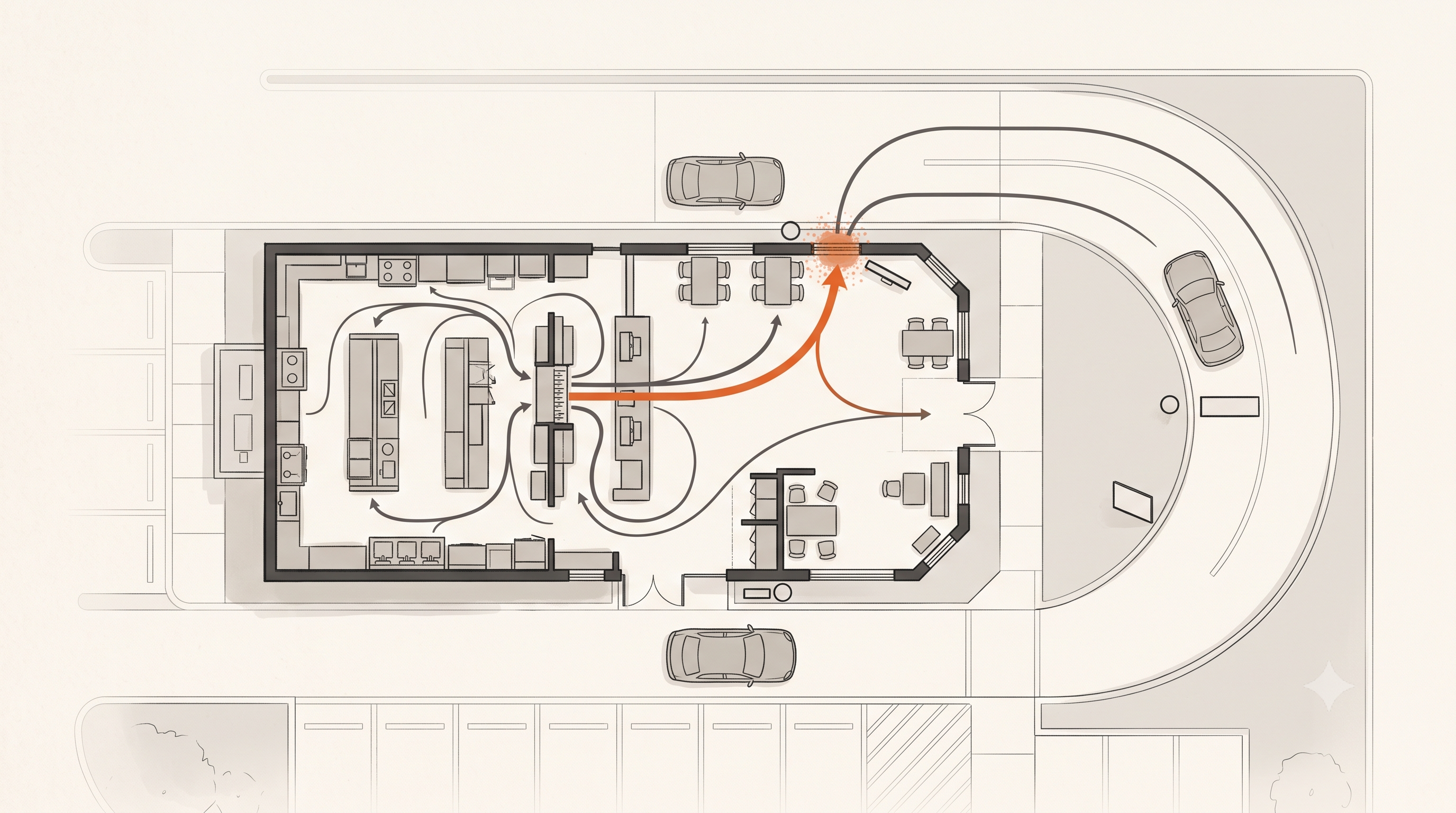
QSR_con4

Quick service restaurants

Labor is the biggest cost you control, and the schedule that balances on the weekly average meets the Friday rush.

Explore quick service restaurants →

Case study

A quick-serve chain minimizes labor without missing service

A staffing model set crew levels by daypart and role, tested against peak volume instead of the weekly average.

Read it →

What's the same underneath

Different operations, the same six decisions.

Every page above is written in its own vocabulary, because a mine planner and a plant manager describe their problem in words the other wouldn't use. Underneath the vocabulary, the calls that are hard to make sort into six.


SimWell organizes its work around all six.

Capital & capacity

Whether to build, buy, or expand, and how much capacity to put in place for the years ahead.

Network & footprint

Where facilities should sit and how material should flow between them.

Routing & dispatch

How to assign trucks, crews, and equipment when demand changes by the day and the route.

Throughput & bottlenecks

Where the constraint really is, and what will move it, before spending to fix the wrong thing.

Staffing & scheduling

How many people are needed, where, and when, to hit service levels without overspending.

Contingency & risk

What breaks when a site, supplier, or season goes wrong, and what the response should be.

PROOF

Decisions made on evidence, not conviction.

warehouse_cs7

Ore logistics

Does more throughput require more rail?

The assumed answer was nine figures of new track. The model found capacity on the line that already existed, starting with a planned siding recommission that would have added no throughput at all.

Read the case
design_1

Supply chain

Could our stores fill online orders without driving up cost?

Testing dozens of fulfillment scenarios showed which stores should ship and which should stay satellites. Delivery times were cut in half, at lower transport cost and the same service level.

Read the case
warehouse_cs7

Manufacturing

Can we promise this order for next November?

A planning system that saw three months out was replaced by one that runs the full order book forward, so the team answers commitment questions before it makes them.

Read the case

Not seeing your operation?

Start from the decision instead.

The six decisions above don't belong to any one industry. If none of the doors above fits, start from the decision instead. See what we solve →

Discuss the decision

Bring one question.

If modeling can support a defensible commitment, we'll show you the smallest scope that gets you there. If a model won't help, you'll hear that in the first call.